




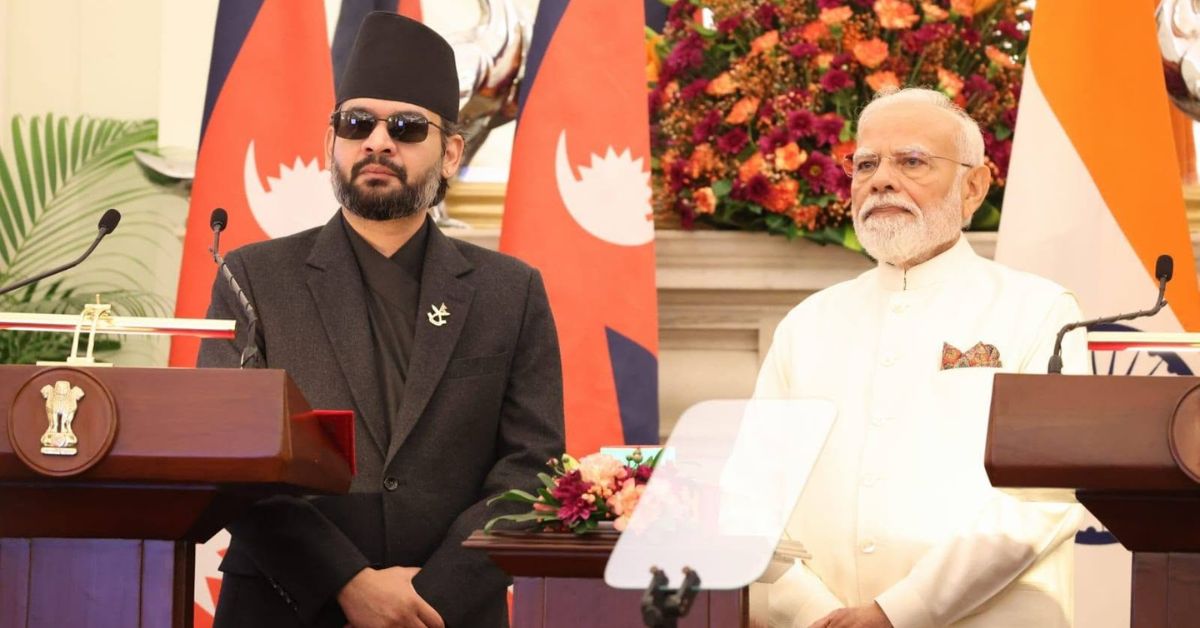

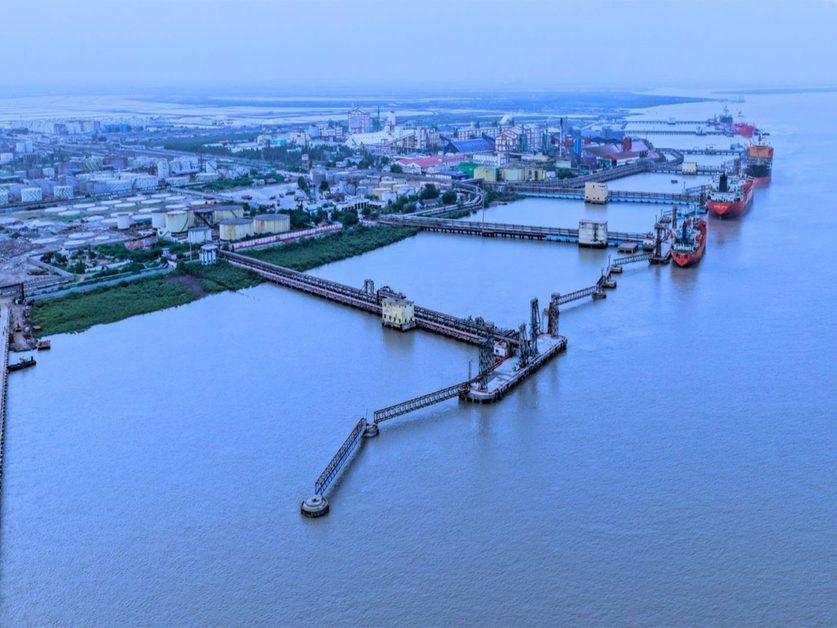
India has announced access to Deendayal Port at Kandla in Gujarat for Nepal’s transit trade, with access to Paradip Port in Odisha to follow once the necessary infrastructure is ready. Prime Minister Narendra Modi announced the additional gateways during Nepalese Prime Minister Balendra Shah’s state visit to India on 22–23 November 2026, alongside measures to strengthen cross-border transport and energy connectivity.
For landlocked Nepal, the announcement broadens the planned network of Indian seaports serving trade with overseas markets. Its established transit arrangements cover Kolkata, Haldia and Visakhapatnam, supported by road and rail connections through India.
What does the announcement mean for port access?
Kandla introduces a western Indian gateway into Nepal’s transit connectivity plans, while Paradip adds a proposed eastern option. However, the joint statement makes Paradip access conditional on infrastructure readiness and does not specify a commencement date or detailed operating arrangements for either gateway.
Existing transit rights operate through mutually agreed routes and procedures. The revised India–Nepal Treaty of Transit, signed on 1 June 2023, provides the framework for merchandise movement through India’s roads, railways, inland waterways and ports.
Visakhapatnam’s inclusion followed an exchange of letters in February 2016, accompanied by changes to the railway arrangements. This established an additional route serving Nepal’s Inland Container Depot (ICD) at Birgunj, supplementing the Kolkata–Haldia network.
Which rail and border projects are advancing?
The leaders announced completion of the field location survey for the proposed Raxaul–Kathmandu electrified broad-gauge railway and agreed to collaborate on Nepal’s East–West Railway.
They also laid the foundation stone for a new Integrated Check Post (ICP) at Banbasa and inaugurated a motorable bridge connecting Dharchula in India with Darchula in Nepal.
These announcements follow an operational freight milestone earlier this year. In July 2026, Indian Railways reported the first direct commercial container freight train from Kolkata Port to Biratnagar Customs Yard. The 40-wagon train carried canola under the revised bilateral rail transit protocol.
The service enabled containerised cargo to travel directly to Biratnagar without transshipment at the border. It built on the Jogbani–Biratnagar broad-gauge connection inaugurated in June 2023 and a revised exchange of letters signed in November 2025.
How does the existing freight framework support trade?
The India–Nepal Rail Services Agreement, signed in 2004, governs bilateral rail freight. Changes agreed in June 2021 liberalised operations, while the principal freight links connect Raxaul with Birgunj ICD and Jogbani with Nepal Customs Yard.
The commercial relationship provides a substantial cargo base. According to the Indian Embassy in Kathmandu, bilateral merchandise trade reached approximately US$9.38 billion in financial year 2025–26. Major Indian exports to Nepal include petroleum products, iron and steel, automobiles, machinery and cereals.
What energy infrastructure commitments were announced?
The leaders dedicated phase two of the Motihari–Amlekhgunj petroleum pipeline and laid the foundation stone for a petroleum terminal at Jhapa. They also called for work to begin promptly on the Siliguri–Jhapa pipeline.
India separately announced a ₹15,000-crore development package, comprising ₹3,500 crore in grants for reconstruction and infrastructure and an ₹11,500-crore rupee-denominated credit line for energy projects. Project selection and implementation arrangements remain subject to bilateral consultations.
For cargo operators, the immediate distinction remains between operating connections, such as the Biratnagar freight service, and newly announced access requiring implementation details. Paradip’s availability will specifically depend on completion of the requisite infrastructure.
 Join our WhatsApp channel for more updates:
 Subscribe to our YouTube channel for more updates: