




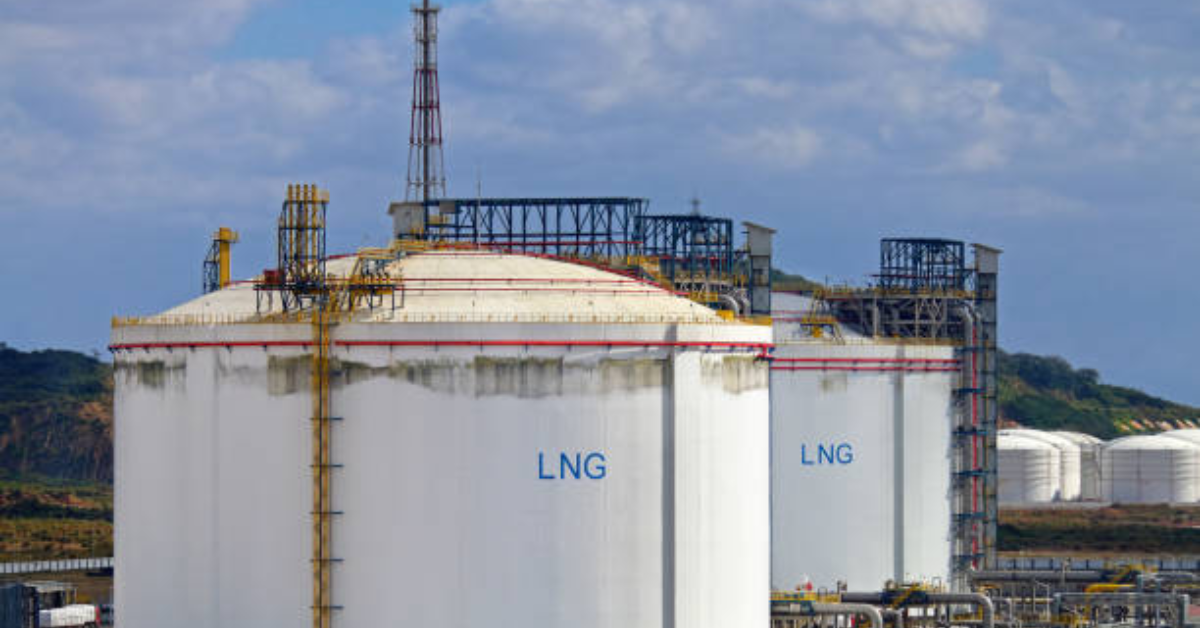

India significantly rebalanced its LNG import sourcing in March 2026, increasing purchases from the United States, Oman, and Nigeria as shipments from Qatar and the United Arab Emirates declined sharply amid the Hormuz-linked disruption to Gulf energy flows. The rebalancing reflects the practical reality that India’s long-term Qatari LNG contracts — including Petronet LNG’s approximately 7.5 million tonne annual long-term supply agreement with Qatar — cannot currently be fulfilled because no loaded Qatari LNG tanker has successfully transited the Strait of Hormuz since February 28.
US LNG, routed via the Atlantic and around the Cape of Good Hope, has become one of the most commercially attractive alternatives for Indian buyers: it does not require Hormuz transit, it is priced on Henry Hub-linked terms that have been competitive relative to the surge in Gulf-linked spot prices, and it is readily available from the growing fleet of Sabine Pass, Freeport, and Corpus Christi export trains that have seen demand surge from European and Asian buyers all rerouting away from Gulf supply. West African LNG from Nigeria and Angola — also Cape-routable without any Gulf exposure — has similarly attracted stronger Indian buying interest.
Russian LNG: A Politically Complex but Commercially Attractive Alternative
In parallel, Russian LNG — from the Yamal LNG and Arctic LNG facilities — is flowing to India at increased volumes as buyers seek every available non-Gulf alternative. Russia’s LNG is available at discounted prices relative to spot market rates, and its Arctic routing via the Northern Sea Route during summer months provides a Hormuz-independent supply corridor. The increased Russian LNG purchasing creates the same diplomatic tension as India’s surge in Russian crude imports — a potential friction point with the US given India’s February 2026 trade deal commitments — but is being treated by New Delhi as a force majeure necessity rather than a strategic preference.
India’s LNG import volumes for FY27 have been projected at 20.82 million tonnes — a figure that represents the structural demand from India’s growing gas distribution network, power sector, and fertiliser industry. The fertiliser sector’s reliance on gas as a feedstock for urea production has been particularly stressed by the Hormuz crisis: India’s domestic urea output dropped from 24 lakh tonnes per month to approximately 18 lakh tonnes in March as gas shortages forced partial plant shutdowns, directly driving the Indian Potash Limited tender for 2.5 million tonnes of imported urea. Restoring gas supply — through LNG sourcing diversification — is therefore simultaneously an energy security, food security, and agricultural cost-of-production imperative for India.
 Join our WhatsApp channel for more updates:
 Subscribe to our YouTube channel for more updates: