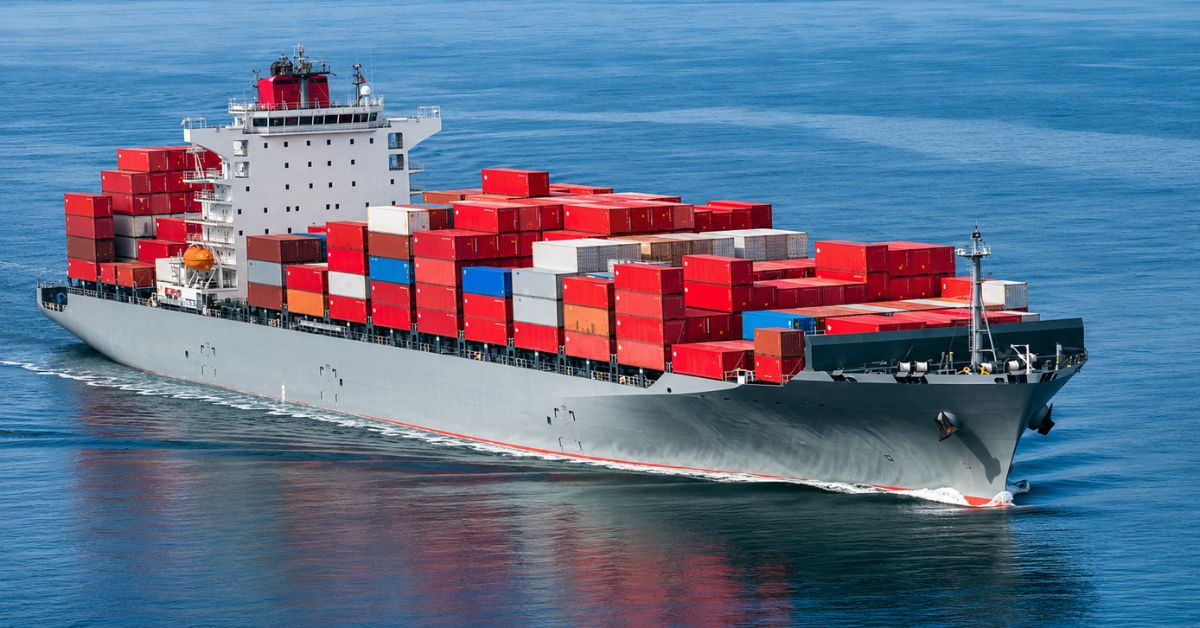

India has relaxed vessel-age restrictions to widen access to its ship registry and removed fixed retirement-age limits for existing Indian-flagged vessels, subject to continued compliance. The changes could support fleet expansion and reduce reliance on foreign carriers for transporting essential imports.
The Directorate General of Maritime Administration (DGMA) issued Order No. 31 of 2026 on 18 November, bringing the revised framework into immediate effect. Older vessels can seek exemptions through a technical review process, rather than receiving automatic permission to register.
Which vessels can enter the Indian registry?
The revised framework sets different entry requirements by vessel category.
Oil tankers, bulk carriers, general cargo ships and specified offshore vessels below 15 years fall within the standard entry band. Ships aged between 15 and 20 years face additional conditions, while older vessels require consideration under the relaxation mechanism.
Dedicated container ships, cement carriers and gas or chemical carriers have a higher threshold. Those below 20 years fall within the standard band, vessels between 20 and 25 years must meet additional requirements, and ships above 25 years require technical scrutiny.
Specified tugs, ocean-going non-self-propelled cargo barges, river-sea vessels and inland coastal vessels above 20 years also face technical screening. These age bands do not remove the underlying certification and safety obligations applicable to ships.
How will requests for older vessels be assessed?
A five-member Standing Technical Committee will advise the DGMA on requests for relaxation. Its assessment will consider classification records, compliance with international conventions and statutory certificates.
Recommendations may include additional inspections or technical clearances. The DGMA retains authority to accept, reject or modify the committee’s advice.
Existing Indian-flagged vessels may continue operating regardless of age, provided they satisfy the prescribed requirements. The order also applies relevant entry-age and compliance conditions to comparable foreign-flagged vessels undertaking coastal operations covered by the Coastal Shipping Act, 2025, including specified licensing-exempt operations.
What changes from the previous policy?
The latest decision revises a framework introduced in 2023 and amended in January 2026.
The January order had allowed existing vessels affected by maximum-age restrictions to continue operating until 31 March 2029. It envisaged a possible two-year extension to March 2031, linked to a review of compliance with a proposed ship sustainability-indexing system.
The November framework replaces that scheduled age-based exit approach with continued operation subject to compliance. For owners, the central change is greater scope to retain serviceable ships and seek registration of older second-hand tonnage, while remaining subject to regulatory assessment.
Why does fleet expansion matter for India?
India depends heavily on foreign carriers for imports, including oil and gas. A larger domestic fleet could improve access to shipping capacity during disruptions. Indian-flagged vessels also receive priority for certain government and public-sector cargo contracts before foreign ships are considered.
The age-rule revision sits alongside broader measures to encourage Indian flagging. In a February parliamentary reply, the Ministry of Ports, Shipping and Waterways identified simplified registration and the Right of First Refusal as instruments supporting domestic operators.
The ministry also highlighted infrastructure status for qualifying shipping vessels to improve financing access, alongside the Maritime Development Fund, shipbuilding assistance and other sectoral financing initiatives.
These measures address different parts of fleet development: acquisition and registration of ships, access to cargo, and financing for longer-term capacity creation. The latest order expands acquisition options, but actual additions to the registry will depend on owners’ investment decisions and vessels meeting the applicable requirements.
 Join our WhatsApp channel for more updates:
 Subscribe to our YouTube channel for more updates: