
Summary
Nitin Gadkari has said India can become a leading producer and exporter of green hydrogen, linking cleaner fuels and infrastructure investment with economic competitiveness. Speaking on 23 October, he also put logistics costs at around 9%, while a separate official assessment provides a different benchmark and methodology.
Hydrogen ambition links energy and competitiveness
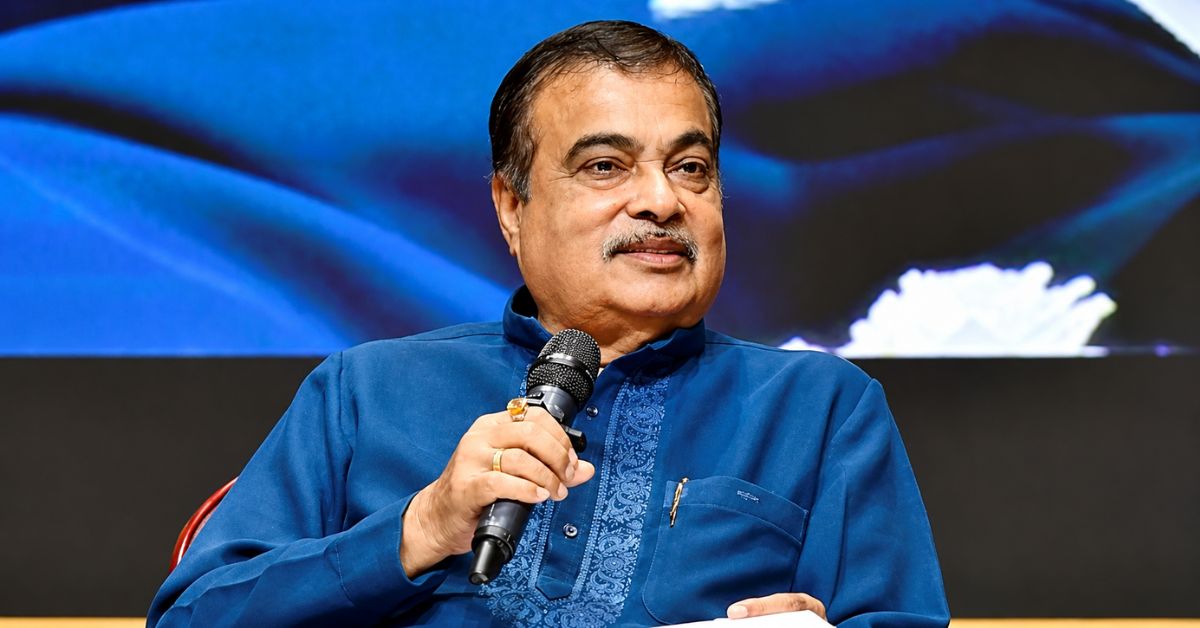
India green hydrogen production could achieve global leadership in the coming years, Union Road Transport and Highways Minister Nitin Gadkari said, highlighting its potential role in mobility and industry.
Addressing KPMG’s Agrasar Bharat Manch on 23 October, Gadkari described hydrogen as a future energy source and expressed confidence in India’s ability to develop production and export capabilities.
His remarks covered a wider range of technologies, including electric vehicles, ethanol, methanol, biodiesel and liquefied natural gas. He linked investment in new technologies with the infrastructure required to support economic development.
Gadkari also said improved roads had helped bring logistics costs down from an earlier level of 15% to approximately 9%, arguing that lower transport costs would strengthen export competitiveness. These figures represent the minister’s stated assessment.
National mission establishes the production target
The policy foundation for India’s hydrogen ambitions predates the latest remarks.
Approved in January 2023, the National Green Hydrogen Mission carries an initial outlay of ₹19,744 crore. It targets production capacity of at least five million tonnes annually by 2030, supported by approximately 125 GW of associated renewable energy capacity.
The mission’s anticipated outcomes include investment exceeding ₹8 lakh crore and the creation of more than six lakh jobs. These are programme objectives rather than completed investment or employment figures.
Its design combines support for domestic electrolyser manufacturing and hydrogen production with pilot projects, research, skills and enabling infrastructure.
The broader objective is to establish an ecosystem covering production, use and exports, rather than develop manufacturing capacity in isolation.
Ports provide a route towards export markets
Maritime infrastructure is an important part of that ecosystem.
In October 2025, Deendayal Port in Gujarat, V.O. Chidambaranar Port in Tamil Nadu and Paradip Port in Odisha were recognised as green hydrogen hubs under the national mission.
The designation connects India’s production ambitions with locations capable of supporting industrial development and overseas trade.
At Paradip, the government has approved a dedicated jetty and associated facilities for green hydrogen, ammonia and other liquid cargo. The proposed project has an estimated cost of ₹797.17 crore and planned handling capacity of four million tonnes annually.
That capacity covers the specified cargo mix; it should not be interpreted as four million tonnes of hydrogen production. The approval concerns cargo-handling infrastructure, while production facilities and commercial demand require their own development.
Logistics figures require a consistent benchmark
Gadkari’s logistics-cost remarks need to be read alongside the government’s formal measurement exercise.
The Department for Promotion of Industry and Internal Trade and the National Council of Applied Economic Research estimated logistics costs at 7.97% of GDP for 2023–24. Expressed against non-services output, the estimate was 9.09%.
The assessment combined responses from more than 3,500 industry stakeholders with secondary information from government and financial databases.
These percentages use different denominators and cannot be treated as interchangeable. Nor does a comparison between an earlier headline estimate of 15% and a current figure of around 9% establish a measured reduction on a consistent statistical basis.
For businesses and policymakers, comparable estimates are essential to distinguish actual efficiency improvements from changes in coverage or methodology.
Commercial progress will depend on delivery
For manufacturers, exporters and logistics providers, the two themes converge around competitiveness.
Hydrogen projects require dependable movement of equipment, construction materials and eventual products. Ports, inland transport connections and storage infrastructure therefore influence how production capacity translates into market access.
Equally, lower aggregate logistics costs do not mean every company or trade corridor experiences the same savings. Individual outcomes depend on location, cargo characteristics, infrastructure and operating arrangements.
Gadkari’s remarks reinforce the government’s direction towards cleaner energy and stronger connectivity. The commercial test will be whether production projects, supporting infrastructure and customer demand develop together, allowing policy ambitions to become reliable supply chains and sustained trade.
FAQs
What did Gadkari say about green hydrogen?
He said India could become a leading global producer and exporter, with hydrogen playing a larger role in mobility and industry.
What is India’s official production target?
The National Green Hydrogen Mission targets annual production capacity of at least five million tonnes by 2030.
Which ports have been recognised as green hydrogen hubs?
Deendayal, V.O. Chidambaranar and Paradip.
What logistics-cost figure did Gadkari cite?
He put logistics costs at approximately 9%.
How does that compare with the formal assessment?
The DPIIT–NCAER assessment estimated costs at 7.97% of GDP, or 9.09% of non-services output, for 2023–24. The measurement basis matters when making comparisons.
 Join our WhatsApp channel for more updates:
 Subscribe to our YouTube channel for more updates: