
Summary
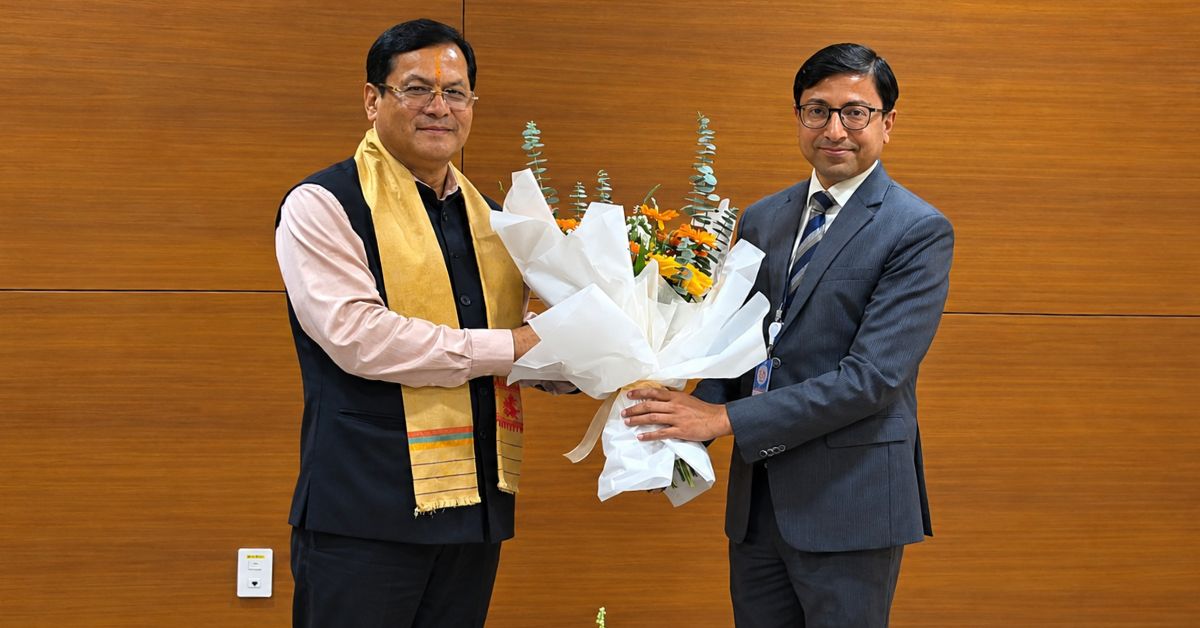
Union Shipping Minister Sarbananda Sonowal began a four-day South Korea visit on 25 October, seeking stronger maritime partnerships and support for India’s shipbuilding ambitions. Opening his programme in Busan, he urged Indian professionals working in Korea to contribute expertise, strengthen industry connections and help develop India’s maritime workforce.
Industry engagement opens in Busan
India–Korea shipbuilding cooperation is the focus of Union Minister for Ports, Shipping and Waterways Sarbananda Sonowal’s latest overseas visit, as India seeks technology partnerships and industrial capabilities to support its ambition of becoming a top-five shipbuilding nation by 2047.
Sonowal opened the four-day programme in Busan with Indian maritime professionals. The gathering included personnel associated with Samsung Heavy Industries, Hanwha Ocean, HD Hyundai, DNV and the Indian Register of Shipping.
He sought practical recommendations on improving shipyard productivity, strengthening project execution and developing skilled personnel. Professionals were encouraged to support Indian companies through their Korean networks, mentor younger specialists and contribute to training and technology initiatives.
The visit’s programme also includes engagement with shipbuilding companies, industry organisations and research institutions, alongside participation in a World Maritime Day ministerial roundtable in Busan.
VOYAGES provides the bilateral framework
The outreach builds on the VOYAGES framework adopted during South Korean President Lee Jae Myung’s state visit to India in April 2026.
That framework established a broad agenda covering shipbuilding, shipping and maritime logistics. India invited Korean shipbuilders to participate as technical and strategic partners in large greenfield shipbuilding clusters, contributing design capabilities, production engineering, advanced manufacturing and operational expertise.
The two countries also identified opportunities to upgrade existing Indian yards and develop local manufacturing of marine components. Their April discussions welcomed the opening of the Korea Marine Equipment Association’s Mumbai branch as a step towards strengthening the supplier ecosystem.
A non-binding memorandum concerning a large greenfield shipyard in southern India was among the collaborations recognised under the framework. These arrangements provide a foundation for further negotiations; they do not, by themselves, establish completed investment or operational capacity.
Workforce development moves alongside investment
Skills are a separate pillar of the partnership.
On 2 April 2026, the shipping ministry signed an implementation plan with the Korea International Cooperation Agency for a project examining India’s shipbuilding workforce and future training requirements.
The initiative covers workforce mapping, assessment of skill gaps and preparation of a human-resource development roadmap. Bilateral workshops are intended to bring together policymakers, companies, training institutions and academic specialists.
At the time of that announcement, discussions were also advanced for a proposed Shipbuilding Workforce Development and Technology Cooperation Centre in India. Its envisaged role included vocational training and improvements in technical competence and productivity.
Sonowal’s engagement with professionals in Busan gives this institutional programme an industry connection, drawing attention to experience gained inside established Korean shipbuilding organisations.
Earlier shipyard partnership offers a starting point
Company-level cooperation predates the current visit.
Cochin Shipyard and HD Korea Shipbuilding & Offshore Engineering signed a comprehensive memorandum in July 2025 covering potential newbuilding opportunities in India and overseas.
The agreement envisaged sharing technical expertise, improving productivity and capacity utilisation, and strengthening workforce skills. It also allowed the partners to explore other shipbuilding projects.
That earlier arrangement illustrates the range of cooperation under consideration, spanning production practices and personnel development alongside potential commercial opportunities. Its status as a memorandum should be distinguished from individual vessel contracts or committed capital projects.
Financing reforms support the industrial push
The visit follows India’s September 2025 approval of a ₹69,725 crore package for shipbuilding and maritime development.
The package includes the ₹24,736 crore Shipbuilding Financial Assistance Scheme, extended until March 2036, and a ₹25,000 crore Maritime Development Fund intended to improve access to long-term finance.
A further ₹19,989 crore Shipbuilding Development Scheme supports capacity expansion, shipbuilding clusters, technical capabilities and project risk coverage. It also provides for establishing the India Ship Technology Centre under the Indian Maritime University.
Together, these measures address several conditions relevant to prospective industrial partners: infrastructure, financing, technical capability and workforce availability.
For Indian shipyards and suppliers, the commercial significance of the Korean engagement will depend on whether discussions produce defined projects, technology arrangements and customer orders. The immediate focus is strengthening the relationships and capabilities needed to turn India’s shipbuilding ambitions into competitive production.
FAQs
Why is Sonowal visiting South Korea?
The four-day visit seeks stronger cooperation in shipbuilding, shipping, ports and maritime logistics.
What is VOYAGES?
It is the bilateral framework adopted in April 2026 to guide India–South Korea cooperation in shipbuilding, shipping and maritime logistics.
What role could Indian professionals in Korea play?
Sonowal encouraged them to share expertise, mentor younger professionals and connect Indian companies with Korean industry.
What does the KOICA skills project cover?
It includes workforce mapping, skill-gap assessment, training planning and institutional cooperation.
What is India’s long-term shipbuilding ambition?
India aims to become one of the world’s five leading shipbuilding nations by 2047.
 Join our WhatsApp channel for more updates:
 Subscribe to our YouTube channel for more updates: