




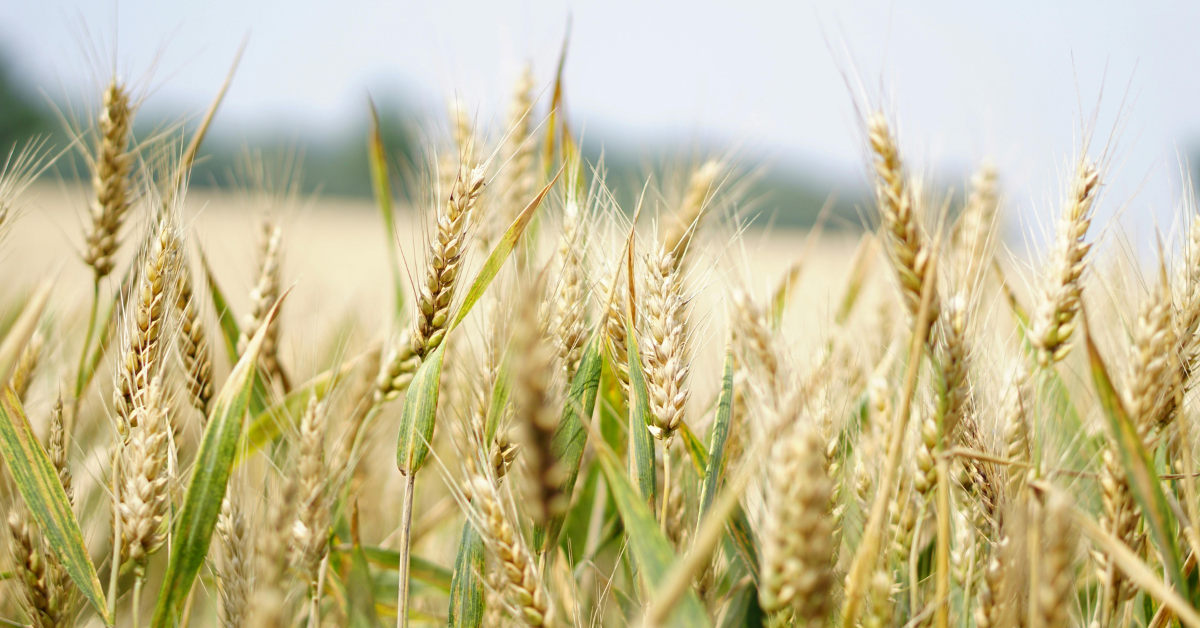

The Directorate General of Foreign Trade has notified the government’s decision to permit the export of an additional 25 lakh tonnes of wheat — bringing the total volume of wheat exports authorised under government dispensation to 50 lakh tonnes, alongside a separately permitted 10 lakh tonnes of wheat products. The notification follows the Cabinet’s initial approval on April 20 of the first 25 lakh tonne tranche, and reflects the government’s growing confidence that domestic supply is robust enough to sustain calibrated export volumes without compromising food security.
India’s overall wheat export policy formally remains ‘prohibited’ — exports are not freely allowed on commercial terms — but the series of government authorisations represents a progressive relaxation that is functionally equivalent to limited commercial market reopening. The DGFT clarified that detailed modalities for the additional 25 lakh tonnes will be issued separately, suggesting the authorisations will continue to be channelled through designated agencies or inter-governmental agreements rather than the free commercial export route. The total authorised wheat export volume of 50 lakh tonnes (5 million tonnes) is commercially significant for global supply: India was historically among the world’s largest wheat exporters before export restrictions were introduced in 2022 following the Russia-Ukraine war’s impact on global grain markets, and any resumption of Indian wheat supply provides meaningful relief to import-dependent countries in Asia, Africa, and the Middle East.
Supply Confidence: Stocks at 222 Lakh MT, Strong FY26 Harvest
The additional authorisation reflects the government’s assessment that India’s wheat buffer stocks — confirmed at approximately 222 lakh metric tonnes at the time of the Additional Secretary’s April briefing — provide sufficient headroom to support limited exports without risking domestic supply security. India is simultaneously expecting another strong rabi wheat harvest from the 2025-26 crop cycle, with early indications suggesting production will meet or exceed the previous year’s record output. The combination of large buffer stocks and a good incoming harvest gives policymakers the confidence to expand the export authorisation without the supply anxiety that led to the original prohibition in 2022.
For maritime logistics, the additional 25 lakh tonne wheat export authorisation has a direct port impact. India’s wheat export infrastructure is concentrated on a handful of ports capable of bulk grain loading — primarily Kandla, JNPA, Mundra, and Kakinada — and a resumption of grain export volumes at this scale will add meaningfully to bulk cargo throughput at these facilities. Given that the Hormuz crisis has suppressed Gulf-bound cargo flows, the wheat export authorisation opens alternative routing toward South Asian, African, and European buyers that do not require Hormuz transit — providing Indian ports with a partial substitute for the Gulf-direction cargo that has been disrupted since February.
 Join our WhatsApp channel for more updates:
 Subscribe to our YouTube channel for more updates: