
Summary
India has reiterated its proposal to invest approximately US$104 million in developing Sabang Port in Aceh, Indonesia, into a regional transhipment hub. The proposal, first submitted in 2018, includes an Indian financing contribution of 80–85% of the estimated project cost, with Indonesia expected to cover the remaining 15–20%. However, the project has yet to receive final approval from the Indonesian government. Meanwhile, Sabang’s port authority is exploring opportunities in Andaman oil and gas logistics and cruise tourism.
Article
India renews proposal for Sabang Port development
India has made multiple proposals to participate in the development of Sabang Port in Aceh, Indonesia, with an estimated investment requirement of US$104 million. The proposed project aims to position the port as a regional transhipment hub supporting international shipping and trade.
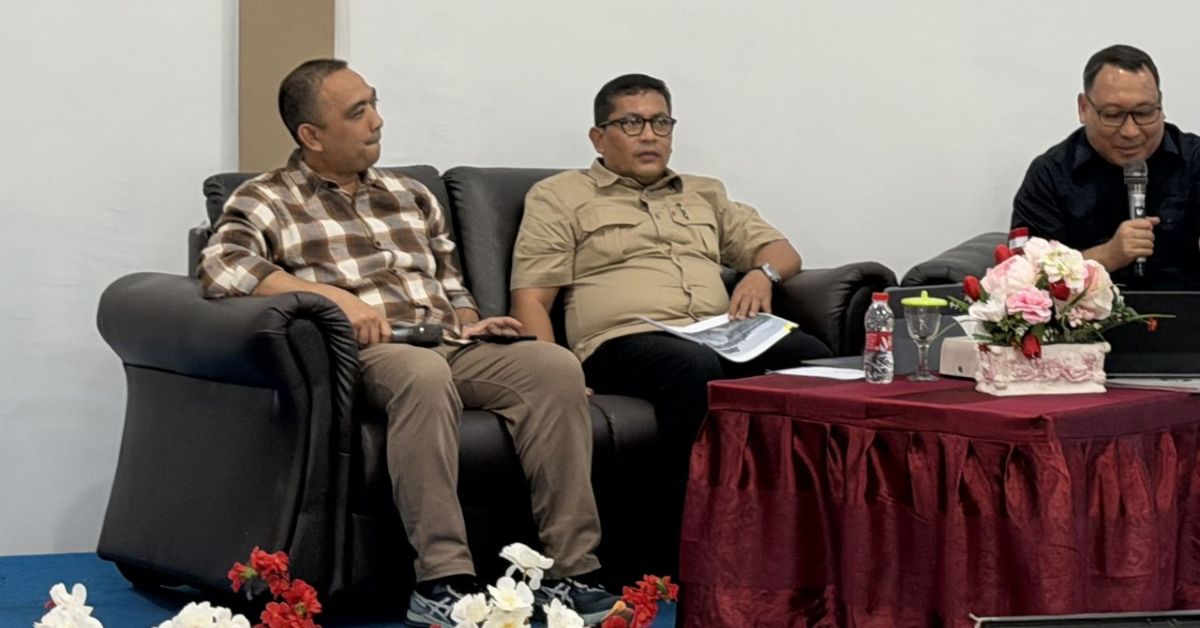
According to Iskandar Zulkarnaen, Head of the Free Trade Area and Free Port of Sabang (BPKS) Management Agency, India has raised the proposal five times during high-level bilateral discussions, including meetings involving the Indonesian President and Indian Prime Minister Narendra Modi.
“Since 2018 until the last meeting yesterday, India has asked five times for Sabang Port to be a port that is cooperated with them,” Iskandar said during a media-focused group discussion in Sabang, Aceh.
The proposal was initially submitted to the Indonesian government in 2018. In 2021, Indian consultants conducted a study to assess the investment requirements for developing Sabang into a regional transhipment centre. The study was completed in 2023 and estimated the project cost at approximately US$104 million.
Under the proposed financing arrangement, India has offered to contribute 80–85% of the investment, while Indonesia would provide the remaining 15–20%. The proposal was submitted through Indonesia’s Ministry of Foreign Affairs and Ministry of National Development Planning (Bappenas).
However, the development plan remains pending, with BPKS seeking direction from the Indonesian central government on the port’s future development strategy.
Sabang Port’s transhipment ambitions remain unrealised
Sabang has been designated as a free trade area since the early 2000s, with its geographical position along international shipping routes considered suitable for transhipment operations.
The proposed model involves transferring cargo between vessels at Sabang before distributing it to destination ports across regional and international markets.
To support this objective, the Indonesian government developed a container terminal at the CT3 area, covering approximately 12 hectares, including an open container yard.
Despite the infrastructure development, the port has yet to establish the transhipment operations originally envisaged.
“This port that has been built so magnificently must have a national agenda. What do you want to do,” Iskandar said, emphasising the need for a clear national development strategy.
Sabang explores logistics opportunities linked to Andaman oil and gas activities
With the transhipment proposal yet to progress, BPKS is examining the potential to position Sabang Port as a logistics support base for oil and gas exploration activities in the Andaman region.
According to Iskandar, exploration activities in the area could generate demand for port-based logistics services and supporting infrastructure.
While some basic facilities are already available, additional open storage yards and warehouses would be required to accommodate future operations.
Sabang currently has approximately 4,000 square metres of warehouse space, compared with an estimated requirement of 10,000 square metres.
The proposed infrastructure expansion is expected to support the development of logistics services for offshore exploration and related energy-sector activities in the Andaman region.
Cruise tourism identified as another growth opportunity
BPKS is also exploring cruise tourism as a potential source of economic activity for Sabang and surrounding areas.
Iskandar said cruise vessels calling at the port could bring thousands of passengers, creating opportunities for local tourism operators and businesses.
“The cruise ship is quite large. There are those who have up to 2,000 passengers. Imagine if 2,000 can all get off,” he said.
Based on an estimated tour package cost of US$100 per passenger for an eight-hour visit, a vessel carrying 2,000 passengers could generate potential transactions of up to US$200,000 if all passengers participate.
BPKS explores alternative financing options
To advance Sabang’s infrastructure development, BPKS is discussing alternative financing mechanisms with Bappenas beyond allocations from the Indonesian government budget.
Options under consideration include foreign loans and grant funding, with potential cooperation involving multilateral institutions such as the Asian Development Bank (ADB).
The discussions form part of broader efforts to identify financing for port infrastructure, logistics facilities and other development requirements in Sabang.
FAQs
1. How much has India proposed investing in Sabang Port?
India has proposed an investment of approximately US$104 million to develop Sabang Port in Aceh, Indonesia, into a regional transhipment hub.
2. How will the proposed Sabang Port investment be financed?
Under the proposed arrangement, India would finance approximately 80–85% of the project cost, while Indonesia would contribute the remaining 15–20%.
3. When was India’s proposal to develop Sabang Port first submitted?
The proposal was first submitted to the Indonesian government in 2018. Indian consultants subsequently conducted an investment assessment in 2021, which was completed in 2023.
4. Why is Sabang Port strategically important?
Sabang is located along international shipping routes and has been designated as a free trade area. Its development as a transhipment hub could support cargo transfers between vessels and regional trade connectivity.
5. What other opportunities is Sabang Port exploring?
Apart from transhipment operations, BPKS is exploring logistics support for oil and gas exploration in the Andaman region and cruise tourism. The port also requires additional warehouse and open-yard infrastructure to support these activities.
 Join our WhatsApp channel for more updates:
 Subscribe to our YouTube channel for more updates: