



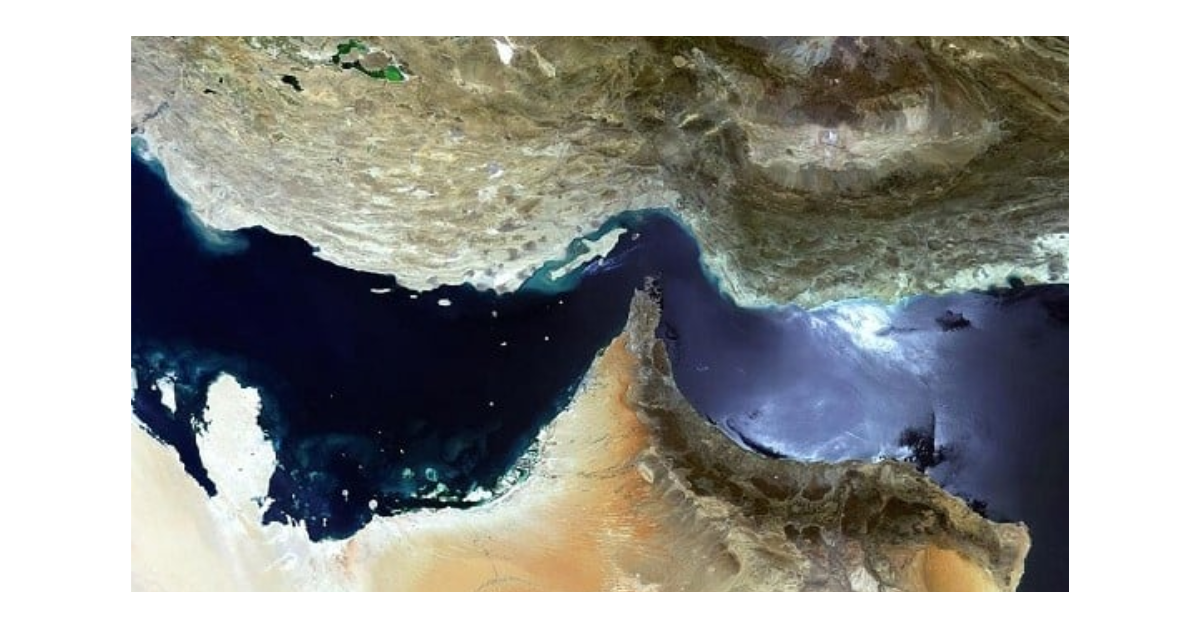

India’s Foreign Secretary Vikram Misri summoned Iran’s Ambassador to India, Mohammad Fathali, on the evening of April 18 to convey New Delhi’s ‘deep concern’ after Iranian Revolutionary Guards Corps gunboats fired on two Indian-flagged vessels that were attempting to transit the Strait of Hormuz — in what marks the most direct and alarming escalation of the Gulf crisis for India since hostilities began on February 28.
One of the two vessels targeted was identified as the Sanmar Herald, an Indian-flagged VLCC supertanker carrying approximately 2 million barrels of Iraqi crude oil. Tanker intelligence firm TankerTrackers released a Channel 16 VHF audio recording purportedly from the incident, in which a sailor aboard the Sanmar Herald can be heard telling the IRGC Navy: ‘Sepah Navy! Motor Tanker Sanmar Herald!… You gave me clearance to go! My name second on your list! You gave me clearance to go! You are firing now! Let me turn back!’ The recording captures the dangerous contradiction at the heart of the current crisis — a vessel that had received IRGC clearance being fired upon as it attempted to use that clearance, with crew members caught in a volatile and rapidly shifting military environment.
The Diplomatic Confrontation
The Ministry of External Affairs’ statement said Foreign Secretary Misri ‘reiterated his concern at this serious incident of firing on merchant ships’ and ‘urged the Ambassador to convey India’s views to the authorities in Iran and resume at the earliest the process of facilitating India-bound ships across the Strait.’ The Iranian ambassador undertook to convey these views to Tehran. The UK’s Maritime Trade Operations Centre separately reported that the master of a tanker told UKMTO it had been approached and fired upon by two IRGC gunboats in the Strait, approximately 20 nautical miles northeast of Oman, while a container ship separately reported being struck by an unknown projectile that damaged cargo but caused no fire or environmental impact.
The incident occurred on a day of particular diplomatic volatility. Iranian Foreign Minister Abbas Araghchi had declared the strait ‘completely open’ for all commercial vessels on Friday, April 17 — a statement that President Trump cited when claiming Iran had agreed to open Hormuz. However, the IRGC’s joint command subsequently issued a contradictory statement claiming the strait had returned to its ‘previous state’ under Iran’s control, citing the US Navy’s continued blockade of Iranian port traffic. The firing on Indian vessels — including one that had been given explicit IRGC clearance — reflects the dangerous fragmentation between Iran’s diplomatic signals and its military’s on-ground behaviour in the strait.
 Join our WhatsApp channel for more updates:
 Subscribe to our YouTube channel for more updates: