



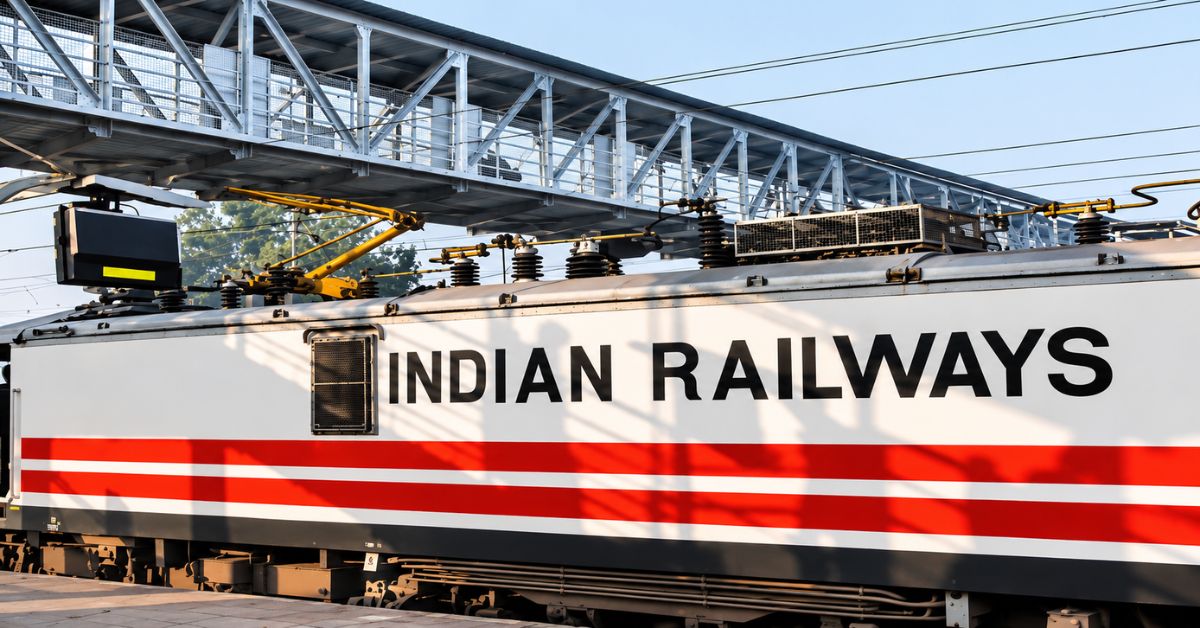

Indian Railways plans to extend its commodity-specific freight reforms to 400 more commodities, including limestone, sand, dolomite, gypsum and clay. Railway Minister Ashwini Vaishnaw said on 23 November that the measures had generated ₹1,078 crore in additional revenue so far in calendar year 2026. The expansion is part of an effort to broaden the railway’s freight base and reduce its dependence on coal.
The reforms already cover 120 commodities, including bulk cement, fly ash, salt, automobiles, foodgrains, fertilisers and petroleum products. The approach adapts transport and handling to the needs of individual cargoes. Vaishnaw said changes to the movement of cement, fertilisers and foodgrains had reduced spoilage and transit losses. Indian Railways also expects containerisation to help limit losses in foodgrain and fertiliser shipments.
The expansion builds on existing private investment in specialised wagons and cargo terminals. In an August reply to the Rajya Sabha, the Ministry of Railways said around 275 special-purpose rakes were operational under its wagon investment schemes. It also reported that 142 Gati Shakti Cargo Terminals had been commissioned, with an estimated combined handling capacity of 224 million tonnes a year. The terminals handled 146 million tonnes in FY2025–26.
Indian Railways loaded 1,670 million tonnes of freight in FY2025–26, up from 1,617 million tonnes the previous year. For shippers of construction materials and industrial minerals, the next phase will hinge on how the railway translates commodity-specific measures into wagon availability, terminal access and competitive door-to-door costs.
 Join our WhatsApp channel for more updates:
 Subscribe to our YouTube channel for more updates: