
Summary
Fourteen Indian seafarers are among 22 Indian nationals killed in the West Asia conflict since February, the Ministry of External Affairs has confirmed. The updated toll highlights the human cost of attacks affecting commercial shipping, as India maintains contact with its Gulf community and continues maritime monitoring and welfare measures.
MEA confirms cumulative death toll
Indian seafarer deaths in the West Asia conflict have reached 14, accounting for nearly two-thirds of the 22 Indian nationals killed since hostilities began in February 2026.
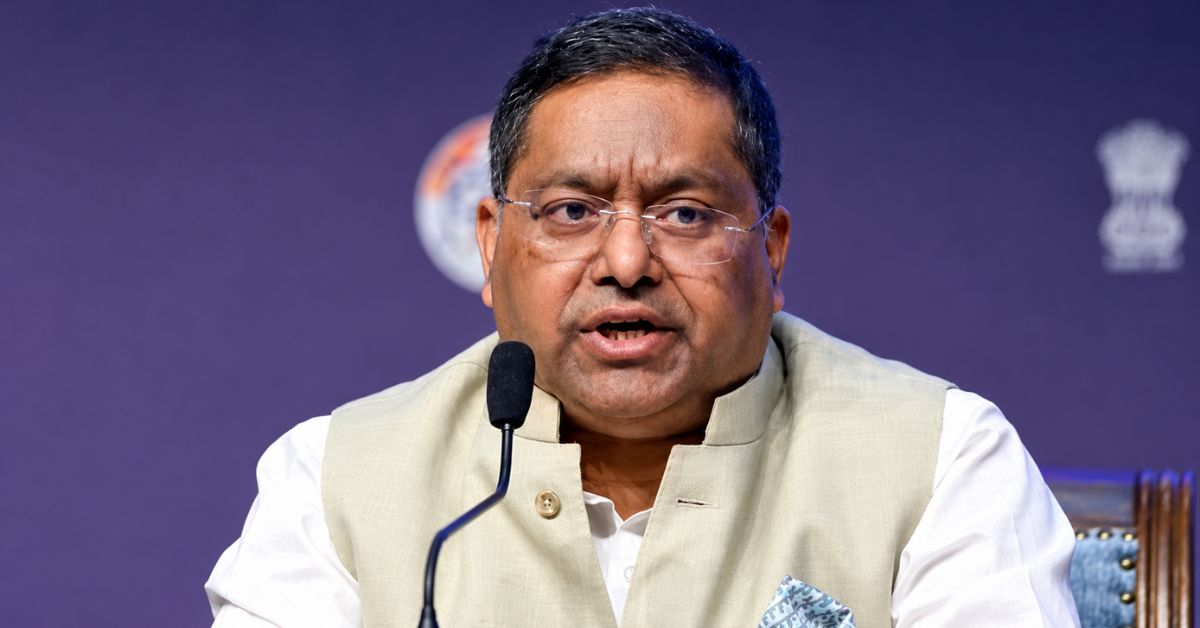
Ministry of External Affairs spokesperson Randhir Jaiswal confirmed the figures at a media briefing on 28 October, expressing concern over the continuing conflict.
The ministry said it remained in close contact with the Indian community across the Gulf region to support their safety and well-being. Jaiswal also confirmed that three Indian nationals had died in Saudi Arabia. Those deaths form part of the overall toll of 22.
The figures represent cumulative fatalities over approximately eight months. They underline the exposure of Indian maritime workers serving aboard merchant ships operating through conflict-affected waters.
Shipping safety remains a central concern
The deaths place seafarer protection at the centre of India’s response to a conflict affecting maritime routes, civilian infrastructure and energy assets.
India has continued to advocate dialogue and diplomacy while raising concerns about escalation and the safety of commercial navigation. Recent attacks on Saudi infrastructure have added to uncertainty around regional transport and energy networks.
For shipping companies, security decisions involve more than selecting a route. Crew deployment, emergency communications, access to assistance and arrangements for repatriation must also be considered.
The concentration of seafarers within the confirmed Indian fatalities shows why maritime welfare remains a distinct operational responsibility within the broader diplomatic response.
Earlier measures established continuous monitoring
The government had previously introduced a graded “Seafarer-First” framework covering Indian maritime personnel in Iran, the Strait of Hormuz, the Persian Gulf and adjacent waters.
In an update issued on 4 August, the shipping ministry said a real-time reporting, tracking and monitoring mechanism was operational. The system included a 24-hour control room, continuous monitoring through the maritime administration’s communication centre and daily situation reports.
At that time, the control room had handled 15,771 telephone calls and 36,499 emails from seafarers, families and maritime stakeholders.
The same August update reported that 3,972 Indian seafarers had been repatriated from the Gulf region. These are earlier operational figures rather than an updated October total.
The scale of those communications illustrates the continuing need for verified information alongside physical evacuation and emergency assistance.
Support extends to families and deployment preparation
A separate safety review on 28 July brought together shipping ministry officials, the maritime regulator, the MEA and Indian missions in countries across West Asia and the Black Sea region.
The review emphasised coordination between diplomatic missions, shipping companies and maritime authorities. It also addressed structured pre-departure orientation through licensed recruitment and placement agencies.
Officials were directed to strengthen communication about operational conditions and security risks, while integrating counselling support for seafarers and their families.
These measures recognise that the consequences of conflict continue beyond an individual incident. Families may face prolonged uncertainty, while crews require clear information before joining vessels and throughout their deployment.
Advisories address conflict-area operations
The maritime administration’s earlier advisories covered heightened vigilance, reporting requirements, emergency preparedness and liaison with Indian missions.
A June advisory also directed shipping companies and recruitment agencies to restrict deployment of Indian seafarers to identified conflict areas until further orders, with provisions concerning emergency crew changes undertaken with consent.
The government has additionally called for stakeholders to circulate authenticated information and avoid unverified reports about maritime incidents.
For shipowners and managers, these requirements reinforce the importance of maintaining reliable crew records, communication channels and response arrangements.
The latest casualty figures provide a stark measure of the conflict’s impact on India’s maritime workforce. Sustained coordination between employers, authorities and overseas missions remains essential as commercial vessels continue operating amid regional insecurity.
FAQs
How many Indian nationals have been killed?
The MEA confirmed 22 deaths linked to the West Asia conflict as of 28 October 2026.
How many were seafarers?
Fourteen of the 22 were Indian seafarers.
Are the three deaths in Saudi Arabia additional to the total?
No. They are included in the overall figure of 22.
What maritime support measures has India introduced?
Measures include continuous monitoring, emergency coordination, repatriation assistance, security advisories and welfare support.
How many seafarers have been repatriated?
An earlier government update on 4 August reported 3,972 repatriations from the Gulf. That figure is not an October update.
 Join our WhatsApp channel for more updates:
 Subscribe to our YouTube channel for more updates: