




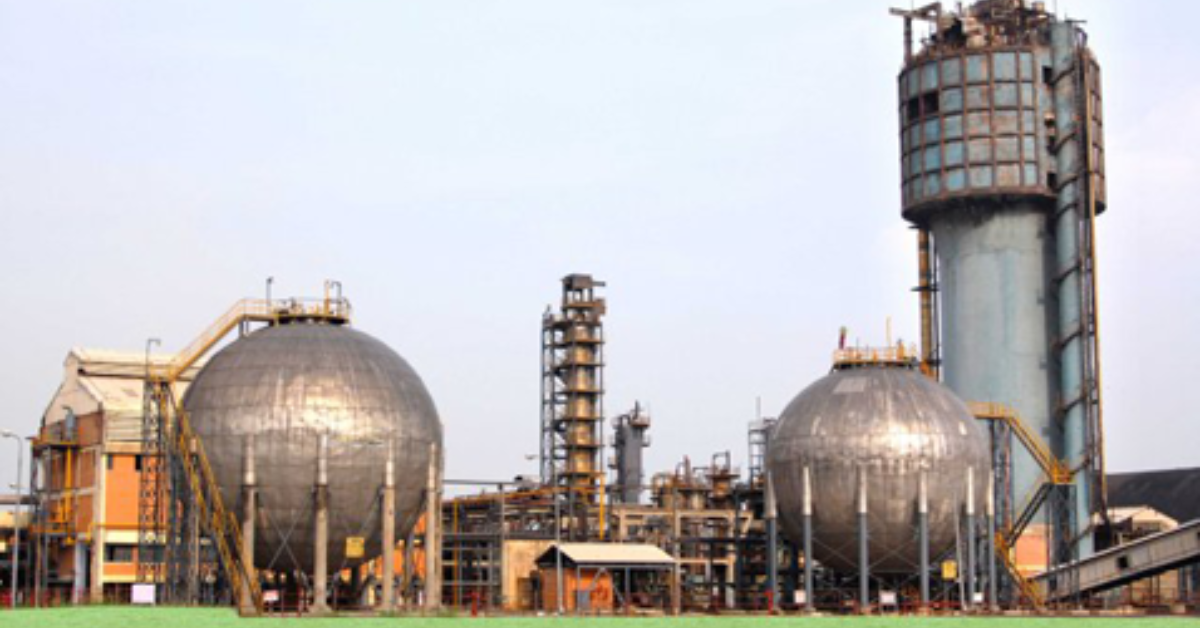

India is set to import a record 2.5 million tonnes of urea — with purchase prices nearly double the levels paid just two months ago — as the compounding pressures of the Hormuz crisis on domestic gas supply, global fertiliser markets, and shipping logistics have created an acute procurement emergency ahead of the kharif sowing season beginning in June. The large-scale procurement, executed through Indian Potash Limited’s global tender issued on April 4 with bids due April 15, is the most significant single urea import order in India’s history and reflects the severity of the supply shock that the West Asia conflict has created for the country’s agricultural input chain.
The doubling of urea prices — from approximately USD 484 per tonne before the crisis to USD 652-684 per tonne in the April tender — is driven by three simultaneous forces: reduced supply from Gulf-region producers including Iran and Qatar whose export logistics are disrupted; higher energy costs globally that have raised production costs for all nitrogen fertiliser manufacturers; and intense competition from Asian and European importers who are simultaneously seeking urea from the same non-Gulf alternative suppliers that India is targeting. The additional freight and insurance cost premium for shipping urea from non-Gulf origins — Indonesia, Russia, Egypt — adds a further layer of landed cost inflation beyond the commodity price itself.
Domestic Production Gap: From 24 to 18 Lakh MT Per Month
The import requirement is directly traceable to India’s gas supply crisis. Domestic urea production depends on natural gas as its primary feedstock — gas that has been in acute short supply since the Hormuz crisis disrupted LNG deliveries from Qatar and the UAE, India’s two largest LNG suppliers. Production at several major urea manufacturing units has been curtailed or suspended as plant operators have been unable to secure sufficient gas at affordable prices. The result has been a drop in domestic urea production from approximately 24 lakh tonnes per month before the crisis to approximately 18 lakh tonnes in March — a 25 per cent production shortfall that, annualised, would represent a deficit of approximately 70 lakh tonnes, making the 25 lakh tonne emergency import order a necessary but partial response.
The government’s decision to simultaneously import fertiliser from Indonesia — announced this week — represents a diversification of the emergency procurement beyond the established suppliers in the IPL tender, reflecting urgency about building buffer stocks before kharif season. India has also been exploring swap and barter arrangements with Iran — including the rice-for-crude mechanism discussed in March — that could involve fertiliser supply as part of a broader commodity exchange framework. The record urea import order, combined with the wheat export quota expansion to 5 million tonnes and the government’s domestic foodgrain buffer of 602 lakh metric tonnes, presents the two faces of India’s agricultural supply chain: strong domestic food production but acute dependence on imported fertiliser inputs that make the next crop cycle vulnerable to the same geopolitical disruptions affecting the current one.
 Join our WhatsApp channel for more updates:
 Subscribe to our YouTube channel for more updates: