




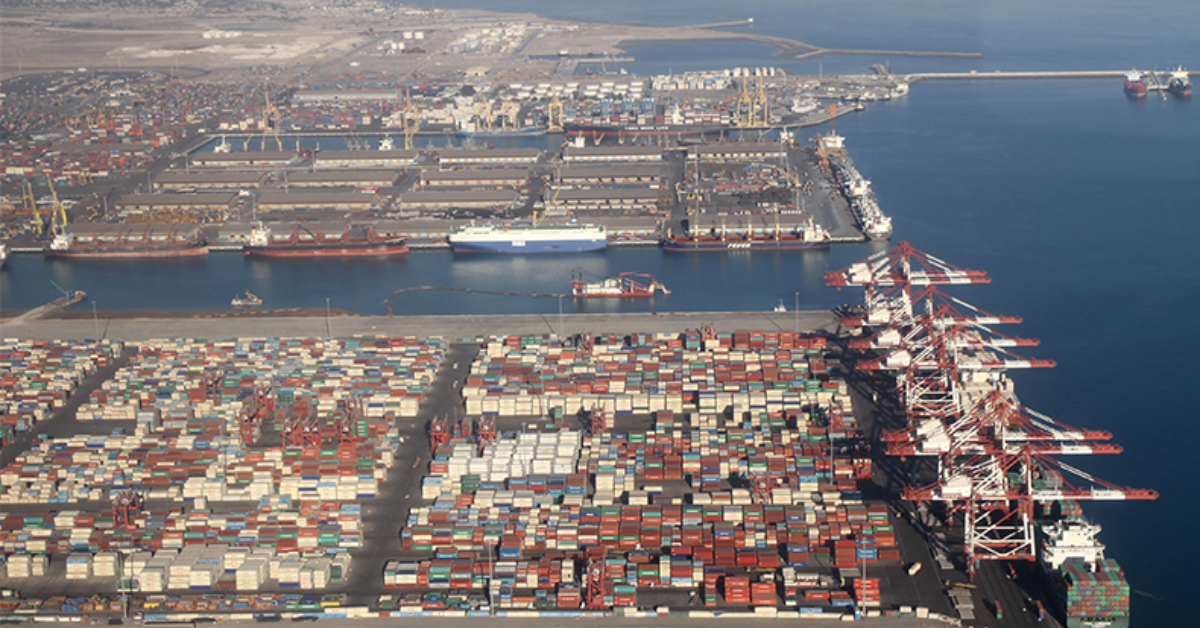

Iran’s Revolutionary Guards Corps has seized two container vessels near the Strait of Hormuz and moved them to Bandar Abbas port, as governments of the affected crew nations scramble to confirm the safety of approximately 40 sailors and press for their release. Tehran described the seizures as direct retaliation for an earlier detention of an Iranian ship by US forces — the latest escalation in a pattern of tit-for-tat maritime confrontations that has made the Gulf one of the world’s most dangerous operating environments for commercial shipping.
One of the seized vessels is operated by Mediterranean Shipping Company, the world’s largest container line, and carries crew members from Montenegro and Croatia, according to maritime authorities. The second vessel is reported to carry Ukrainian and Filipino seafarers. Both ships were moved toward Bandar Abbas following their interception. Officials from Croatia, Montenegro, Ukraine, and the Philippines have confirmed that their respective crew members were reported safe aboard the vessels, though movement remains restricted and independent access has not yet been granted. The Indian government’s Ministry of Ports, Shipping and Waterways confirmed that no Indian-flagged ships were among those seized, but acknowledged ongoing concern for Indian seafarers serving on foreign-flagged vessels operating in the region — a cohort estimated in the thousands across the broader Gulf shipping network.
The Escalation Sequence That Led Here
The seizures follow a sequence of rapid escalation since the US Naval blockade of Iranian ports was activated on April 13. The IRGC fired on Indian-flagged vessels on April 18, prompting India’s Foreign Secretary to summon Iran’s ambassador. Iran subsequently began collecting formal toll revenue from vessels transiting the strait — the first confirmed monetisation of Iran’s Hormuz control. The US responded by seizing an Iranian vessel, which Tehran has now reciprocated by detaining two commercial ships. Each step has tightened the commercial shipping paralysis while raising the diplomatic stakes for governments with citizens at sea.
For MSC — which has been the dominant commercial partner of India’s Vizhinjam Port and a primary driver of the India transhipment boom — the seizure of an operated vessel represents a direct operational and reputational crisis. The carrier has 1,000 ships in its fleet, the most of any line in history, and the detention of any vessel by a state actor raises immediate questions about the commercial viability of continued Gulf of Oman routing even for vessels that do not attempt a Hormuz transit. Industry analysts described the seizures as the ‘clearest signal yet that commercial shipping simply cannot operate normally anywhere in the Gulf ecosystem until a diplomatic resolution is reached.’
 Join our WhatsApp channel for more updates:
 Subscribe to our YouTube channel for more updates: