




Iran has laid out a series of conditions for reopening the Strait of Hormuz, linking access to the strategically vital waterway to a broader political settlement, according to Iranian Deputy Foreign Minister Kazem Gharibabadi.
Gharibabadi said Tehran would consider reopening the strait only if several demands are met, including an end to the war “on all fronts,” the lifting of the siege, a resolution to the conflict involving Yemen, and the United States “correcting its errors” and returning to its previous commitments. The demands effectively tie the future of one of the world’s most important energy and shipping corridors to wider negotiations involving the United States, Iran and Yemen.
Iran’s military has stressed that the crucial waterway would only be reopened when the US accepts Iran’s conditions. Tehran’s ability to effectively close the strait, an open, untolled international waterway before the US-Iran war started on February 28, has triggered a global energy supply shock that has driven up gas prices, exacerbated inflation and raised alarms about oil reserves.
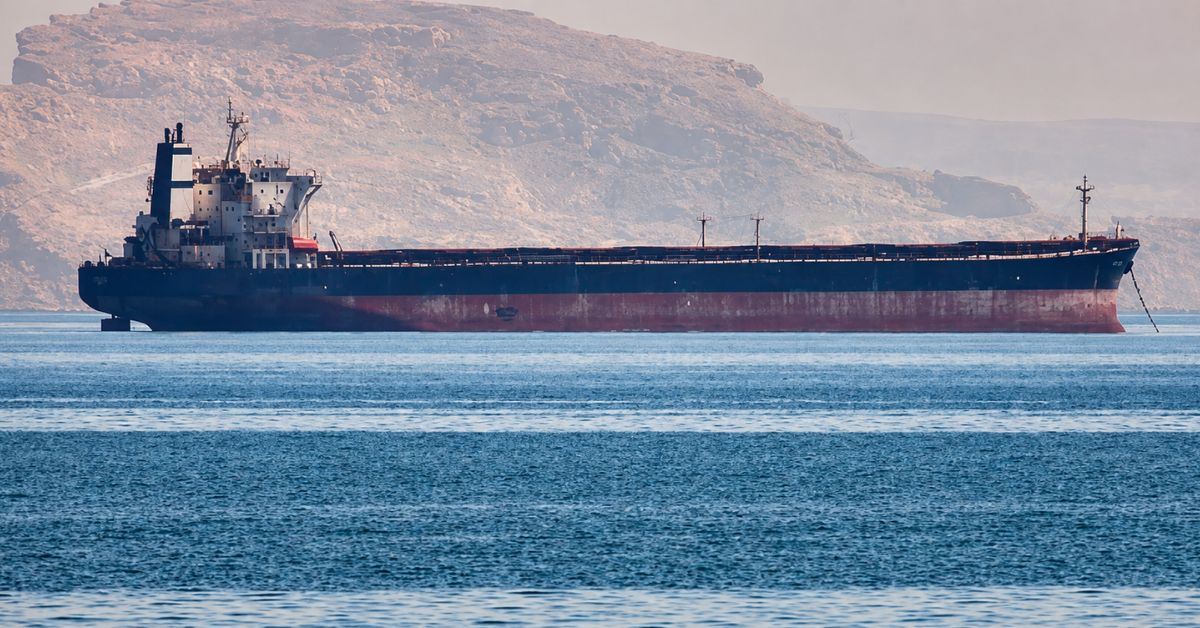
The statement came shortly after Abu Dhabi’s National Oil Company (ADNOC) said one of its vessels was targeted by a missile while transiting the Strait of Hormuz. ADNOC said the incident resulted in no injuries and the situation had been brought under control. The UAE condemned the targeting of the ADNOC-affiliated tanker in the strongest terms.
Separately, Iran and Oman say they are close to reaching a deal on managing the strait, though a deal has not yet been announced. Iranian officials have previously said changes to maritime routes in the Strait of Hormuz negotiated with Oman are a technical and legal matter and do not mean the strait has been reopened.
The Strait of Hormuz is a critical passage for global energy supplies, with a significant share of the world’s oil and liquefied natural gas shipments passing through the waterway. The Strait of Hormuz is one of the world’s most critical energy chokepoints, and its continued closure remains a central flashpoint in the ongoing conflict.
 Join our WhatsApp channel for more updates:
 Subscribe to our YouTube channel for more updates: