




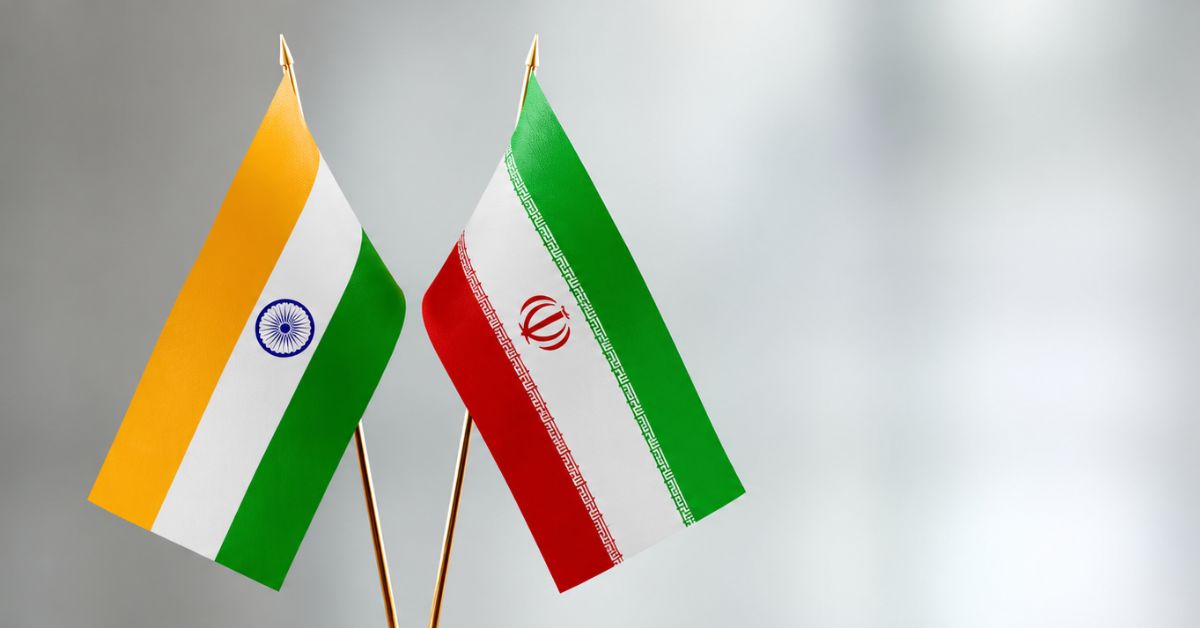

Iran is allowing merchant vessels from India, China, Iraq and Qatar to transit the Strait of Hormuz under exemptions from Tehran’s shipping restrictions, a senior Iranian lawmaker said on 3 November. Amir Hayat-Moghaddam, deputy chairman of the Iranian parliament’s National Security and Foreign Policy Committee, said facilitating Indian shipping would help Iran secure supplies of medicines from India.
Hayat-Moghaddam said Iran charged Indian and Chinese vessels for passage, while Qatari vessels could transit free of charge. His account left the fee arrangements for Iraqi ships and the basis for determining a vessel’s eligibility unclear. He also said US forces had allowed ships from the four countries to pass.
What have India and Iran said about transit fees?
The lawmaker linked the exemptions to Iran’s interests in its trading partners. For India, he identified pharmaceutical supplies as the priority. For China, he cited the importance Tehran attached to Beijing’s political support. His November remarks described the arrangements in general terms, without identifying a tariff, a collection procedure or a specific ship that had paid.
Earlier statements from both governments concerned specific voyages. On 13 April, Iran’s ambassador to India, Mohammad Fathali, said Indian tankers that had crossed the strait up to that point had done so without paying tolls. New Delhi had also denied making payments to secure passage for nine vessels carrying liquefied petroleum gas. Those assurances concerned the earlier crossings, while the November fee claim comes from the parliamentary official.
India has also distinguished diplomatic engagement from the operational decision to sail. During the initial disruption, a senior shipping ministry official said charterers and shipping companies assessed safety conditions before deciding when to move vessels through the waterway.
Why does Hormuz matter to Indian energy buyers?
The strait, between Iran and Oman, connects Gulf export terminals with the open sea. Before the 2026 disruption, oil flows through Hormuz averaged 20.9 million barrels a day in the first half of 2025, according to the US Energy Information Administration. That was equivalent to about a quarter of the oil traded by sea worldwide. Pipelines provide alternative outlets for some crude cargoes, including through Saudi Arabia and the United Arab Emirates.
For Indian gas buyers, the concentration of supply is particularly significant. About one-fifth of global liquefied natural gas trade passed through Hormuz in 2024, predominantly from Qatar. India, China and South Korea together received 52% of the gas shipped through the strait that year.
What are the implications for merchant shipping?
India’s Directorate General of Shipping has previously addressed two distinct groups exposed to the disruption: Indian-flagged ships and Indian seafarers serving on foreign-flagged vessels. Its February advisory urged caution for both. The lawmaker referred to ships “from” the four countries, leaving open how Tehran treats a foreign-flagged tanker chartered to carry cargo to India.
The International Maritime Organization (IMO) recorded 128 confirmed incidents across the Persian Gulf, Strait of Hormuz and Gulf of Oman as of 3 November. Its register covers the wider region and draws on reports verified with flag states, coastal states and other sources. The IMO Council had reaffirmed in July the right of ships to transit straits used for international navigation. For vessel operators, that principle and the navigational conditions on an individual voyage remain separate considerations.
 Join our WhatsApp channel for more updates:
 Subscribe to our YouTube channel for more updates:




