



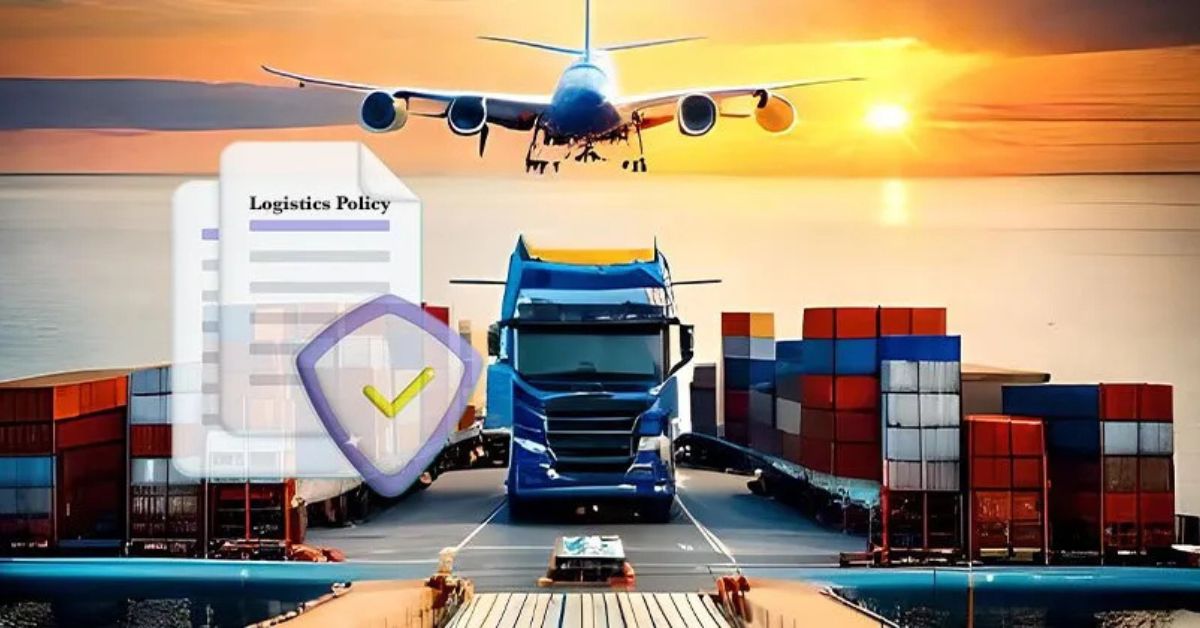

Karnataka is preparing a comprehensive multimodal logistics policy aimed at plugging an estimated Rs 5,000 crore in annual revenue leakage, as large volumes of cargo continue to bypass the state’s ports in favor of facilities in neighboring states.
How much cargo revenue is Karnataka losing annually?
The state has an estimated cargo potential of 117 million metric tonnes, yet its ports currently handle only 50.13 million tonnes per annum despite an installed capacity of 73 MTPA. A senior government official said nearly 41 million metric tonnes of cargo is routed through ports in Andhra Pradesh, Tamil Nadu, Goa and Kerala every year, leading to annual revenue losses of around Rs 5,000 crore, including about Rs 100 crore in direct port royalties.
What steps has Karnataka taken to address this gap?
The Karnataka Maritime Board, which functions under the Infrastructure Development, Ports and Inland Water Transport Department, has invited bids to appoint a consultant to prepare the policy. According to the tender document, the state government has mandated formulation of a Comprehensive Multimodal Logistics Policy to bridge the cargo gap, optimise existing infrastructure and channel anticipated investments in ports and logistics over the next decade.
What will the policy cover?
The proposed policy will outline a roadmap for developing ports, logistics parks and cargo transport zones, while strengthening connectivity across roads, railways, ports and inland waterways. It is expected to recommend regulatory reforms, investment strategies and institutional mechanisms to improve cargo movement, and will guide an estimated Rs 8,666 crore of investment anticipated in Karnataka’s ports and logistics sector over the next decade, identifying infrastructure gaps and prioritising coordinated project implementation.
What is the separate offshore policy Karnataka is developing?
Karnataka Maritime Board is also preparing a Karnataka State Offshore Resources Development and Utilisation Policy, aimed at creating a regulatory and planning framework for the state’s nearly 7,609 sq km of offshore waters, which currently operate without dedicated oversight. The policy is expected to cover offshore wind energy, mariculture, deep-sea fisheries, marine biotechnology and marine spatial planning, along with guidelines for allocating offshore areas, attracting private investment and ensuring environmentally sustainable development.
What other maritime projects are under consideration?
Alongside the two policy initiatives, Karnataka Maritime Board is evaluating several public-private partnership projects, including a maritime experiential centre and commercial complex in Mangaluru, redevelopment of a 25-acre sea-facing land parcel at Bengre, and modernisation of dry-dock facilities at Old Mangalore Port, aimed at strengthening port-related infrastructure and attracting private investment along the state’s coastline.
 Join our WhatsApp channel for more updates:
 Subscribe to our YouTube channel for more updates: