


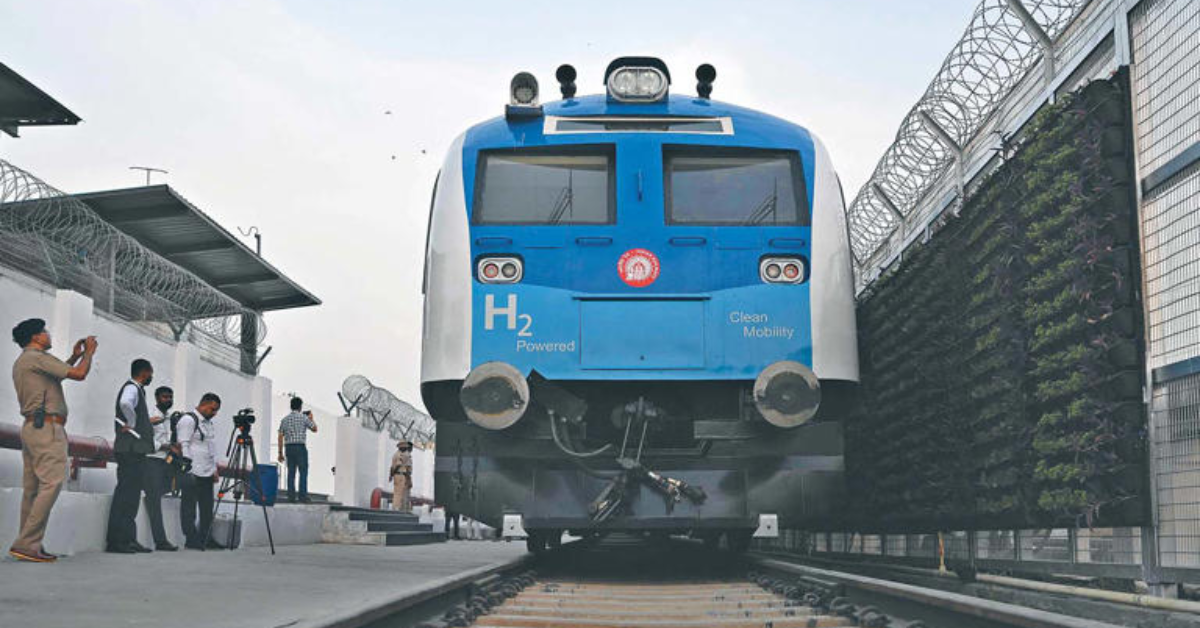

A first‑ever direct rail cargo service from Kolkata Port in India to Biratnagar in eastern Nepal has been launched, marking a major expansion of Nepal’s transit and trade logistics network. The inaugural freight train was flagged off on Friday, July 17, 2026, by officials from Kolkata Customs, Kolkata Port, the Container Corporation of India (CONCOR) and Nepal’s Consulate General in Kolkata.
Until now, rail cargo movement under the Nepal–India Transit Treaty was limited to Birgunj Integrated Check Post (ICP), making Biratnagar the second customs point in Nepal to receive direct rail access for third‑country imports and exports. The new arrangement is expected to significantly lower logistics costs, improve delivery times and provide a more reliable supply chain option for industries in eastern Nepal.
How the Service Works
The service operates under an amended protocol to the Nepal–India Transit Treaty 2023, which now permits all types of goods—both containerised and bulk cargo—to move by rail up to Biratnagar ICP and Nautanwa (near Bhairahawa), in addition to Birgunj. Earlier, transit treaty provisions allowed rail cargo only to Birgunj, with other entry points reliant on road transport.
The first train carried 40 high‑capacity 40‑foot Maersk Line containers loaded with crude canola grains imported from a third country for Swastik Oil Industries in Nepal. The cargo is moving via the Jogbani Integrated Check Post in India to the Biratnagar Customs Yard, with each rake capable of transporting up to 45 forty‑foot containers in a single trip. Officials estimate that the rail journey from Kolkata to Biratnagar will take around 24 hours, improving speed and predictability compared with road haulage.
Regulatory Changes Enabling the Route
The launch follows key regulatory amendments by India’s Central Board of Indirect Taxes and Customs (CBIC) in November 2025, which expanded the scope of the Electronic Cargo Tracking System (ECTS) to allow rail cargo movement from the ports of Kolkata, Haldia and Visakhapatnam to Nepal. These changes enabled cargo destined for Nepal to be transported by rail up to Biratnagar Customs, broadening the earlier framework that focused primarily on Birgunj.
Nepal has also approved a letter of exchange to amend the protocol of the Transit Treaty, formalising the inclusion of Biratnagar and Nautanwa as rail‑linked customs points for third‑country trade. A procedural framework for rail cargo from Kolkata and Haldia to Biratnagar via Jogbani was finalised between the two countries in February 2026, paving the way for the current operationalisation.
Expected Impact on Costs and Trade
Trade experts estimate that direct rail transport from Indian ports such as Visakhapatnam to Biratnagar ICP could reduce logistics costs by 15–20% compared with the existing road‑dominated route, as rail is generally cheaper, safer and more energy‑efficient for bulk and containerised cargo. The new service is also expected to lower demurrage charges at ports, container detention fees and additional road transport costs, improving overall competitiveness for Nepali industries.
 Join our WhatsApp channel for more updates:
 Subscribe to our YouTube channel for more updates: