




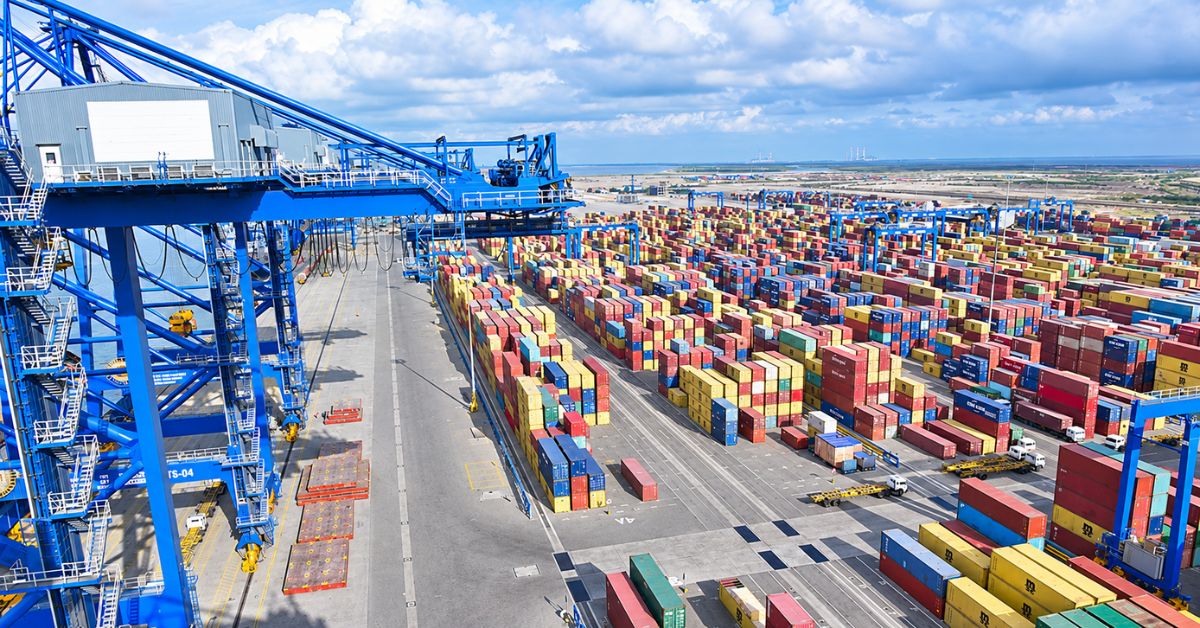

Global seaborne trade is forecast to record zero volume growth in 2026, but scheduled container capacity rose 53 per cent at Mundra and 47 per cent at Nhava Sheva between February and June as shipping lines rerouted services. UN Trade and Development (UNCTAD), which released its Review of Maritime Transport 2026 on 26 November, said disruptions at the Strait of Hormuz and other major shipping routes were lengthening voyages, lifting costs and reshaping port calls.
Why Mundra and Nhava Sheva gained scheduled capacity
Carriers shifted services towards alternative ports and transhipment hubs after traffic through the Strait of Hormuz fell sharply. UNCTAD found that container ship capacity on routes via hubs in the Indian subcontinent increased by 21 per cent between February and June 2026. Mundra in Gujarat and Nhava Sheva in Maharashtra became more closely integrated into long-haul container services during the period.
Colombo remained the region’s dominant transhipment hub, accounting for 56 per cent of scheduled capacity in the subcontinent. Outside South Asia, carriers also redirected traffic towards Omani ports that bypass Hormuz, Fujairah and Khor Fakkan in the United Arab Emirates, and Saudi Arabia’s Red Sea ports. These alternatives kept cargo moving, although diverted flows led to congestion and delays in parts of the network.
Container trade is forecast to grow as overall volumes stall
Global seaborne trade reached 12.3 billion tonnes in 2025, up 1.9 per cent after growing 3.9 per cent in 2024. UNCTAD expects overall volumes to remain flat in 2026 before recovering by 3.2 per cent in 2027. Containerised trade is forecast to grow by 3.3 per cent in 2026, although at a slower pace than in 2025.
Longer voyages are expected to raise transport demand measured in tonne-miles by 1.5 per cent in 2026. The measure combines cargo weight and distance travelled, so it can rise when vessels sail farther with the same volume of cargo. UNCTAD said container spot freight rates more than doubled between January and August 2026, while crude tanker rates reached records on some routes.
Hormuz and Red Sea disruptions reshape shipping routes
Before the disruption in late February, about 120 ships crossed the Strait of Hormuz each day. By early March, traffic measured by gross tonnage had fallen about 95 per cent. The strait is a gateway for roughly one-fifth of global oil supplies and for shipments of commodities such as fertilisers.
Red Sea security risks continued to send many vessels around the Cape of Good Hope, even as some liner operators resumed selected services through the corridor. UNCTAD also flagged security risks to Black Sea grain shipments and changes in Panama Canal traffic. It urged governments, ports and shipping companies to strengthen contingency planning and improve links between ports and inland transport networks.
FAQs
How much did scheduled container capacity rise at Mundra and Nhava Sheva?
Between February and June 2026, scheduled capacity rose 53 per cent at Mundra and 47 per cent at Nhava Sheva. The figures measure capacity offered on scheduled services.
What is UNCTAD’s outlook for global maritime trade?
UNCTAD projects zero growth in total seaborne trade volumes in 2026 and a 3.2 per cent recovery in 2027. It expects containerised trade to grow by 3.3 per cent in 2026.
 Join our WhatsApp channel for more updates:
 Subscribe to our YouTube channel for more updates: