




Summary
Bangladesh’s shipping minister has defended the 15-year NCT concession awarded to DP World, saying it preserves public ownership while securing investment and continuing revenue. The agreement introduces terminal upgrades and performance obligations, as the government pursues faster cargo handling and discussions with other international operators at Chattogram Port.
Minister outlines protections under the agreement
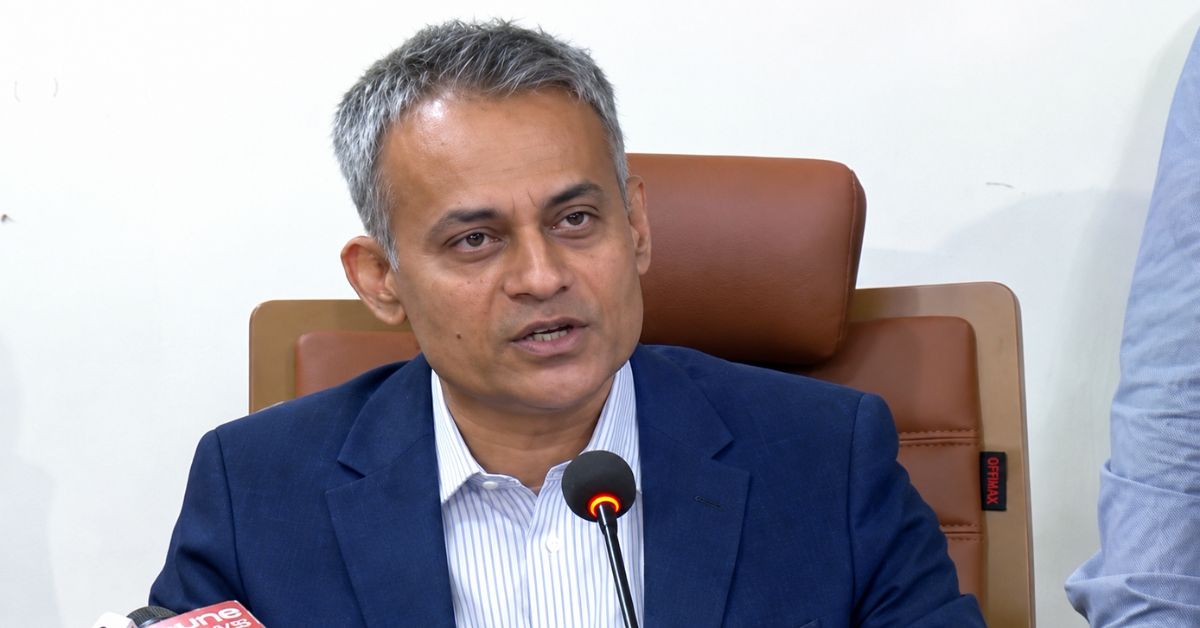
The NCT concession protects Bangladesh’s ownership and financial interests while assigning terminal operations to DP World, Shipping Minister Shaikh Rabiul Alam said following the agreement’s signing in Dhaka on October 8, 2026.
The concession covers operation and maintenance of the New Mooring Container Terminal, including its Overflow Container Yard, at Chattogram Port. The Chittagong Port Authority will retain ownership of the terminal.
DP World will manage the facility under a public-private partnership framework. The agreement was signed by CPA Chairman Rear Admiral S. M. Moniruzzaman and DP World Executive Chairman Essa Kazim.
The minister said Bangladesh’s port laws would continue to apply and that public authorities would retain their powers to address irregularities. His comments followed concerns about the implications of bringing an international operator into a strategically important trade facility.
Upfront payment and investment commitments
Rabiul outlined an upfront payment of US$50 million, equivalent to approximately Tk600 crore, associated with existing terminal equipment. He said 25% would be paid at signing and the balance before physical handover.
He also described a US$150 million investment commitment for modernisation. Planned work includes equipment replacement, yard improvements, automation and digital integration.
According to the minister, the financial structure includes a guaranteed minimum annual payment of Tk10 crore to CPA and a continuing share of container-handling revenue. He described Bangladesh’s share as approximately 40%–67%, depending on the contractual terms.
A volume and revenue protection mechanism is linked to an annual handling baseline of approximately 1.23 million TEUs. The minister said this would protect CPA’s position as cargo is distributed across competing terminals.
He further stated that harbour management, security, Customs administration and other sovereign responsibilities would remain with Bangladesh.
Equipment and digital systems form upgrade programme
DP World’s development plan combines improvements to civil infrastructure and equipment with changes to operating processes. Priority areas include berth planning, yard management, equipment utilisation and preventive maintenance.
The company also plans digital solutions intended to improve cargo handling, alongside measures covering safety and sustainability. These changes are expected to support Bangladesh’s growing trade requirements and strengthen connections with international markets.
The partnership builds on a 2019 memorandum of understanding between Dubai’s government and Bangladesh’s Public-Private Partnership Authority. That earlier arrangement provided a framework for strategic infrastructure collaboration.
DP World said workforce and skills development would form part of the terminal partnership, together with the introduction of international operating practices. Its wider network provides a potential platform for linking the terminal with logistics and supply chain services.
Faster cargo movement remains a government target
Rabiul said the government wants paperless operations to reduce delays and improve predictability at Chattogram Port.
He cited average container dwell time of approximately 9.4 days and a target of three to four days. He also said the agreement includes financial penalties for failure to meet performance targets.
The minister expects modernisation to increase NCT’s handling capability towards 1.6 million–1.8 million TEUs annually. These figures represent expectations rather than achieved improvements.
For cargo owners, the practical significance lies in whether equipment investment and operating changes translate into quicker container movement, more reliable vessel schedules and fewer delays across the port interface.
Talks with other operators continue
The government is also discussing terminal operations with Singapore-based PSA International and other international companies, Rabiul said.
These discussions form part of a broader effort to modernise Chattogram’s terminal network. They remain negotiations and should not be treated as completed concessions.
The NCT agreement follows a separate investment programme at Laldia, where APM Terminals marked the start of construction on August 31, 2026. The US$550 million project is being developed through a Bangladesh–Denmark partnership.
APM Terminals and its partners will design, finance, build and operate that facility, while the port asset remains owned by Bangladesh.
Laldia’s planned deeper draft and longer quay are intended to accommodate container ships of up to 6,000 TEUs. Its design includes electrified handling equipment, solar installations and systems prepared for shore power.
Together, the projects place greater emphasis on private investment and specialist terminal management, with public ownership retained. The next test is delivering the promised capacity and service improvements.
FAQs
1. How long is DP World’s NCT concession?
The initial agreement runs for 15 years.
2. Who owns the terminal under the agreement?
The Chittagong Port Authority retains ownership. DP World is responsible for operation and maintenance.
3. What investment has the minister outlined?
A US$150 million modernisation commitment, alongside a separate US$50 million upfront payment.
4. What improvements are planned?
Equipment upgrades, yard improvements, digital systems and changes to berth planning, maintenance and cargo-handling processes.
5. Has PSA received a new terminal concession?
The minister said discussions were ongoing. The reported talks do not establish that a new agreement has been concluded.
 Join our WhatsApp channel for more updates:
 Subscribe to our YouTube channel for more updates: