




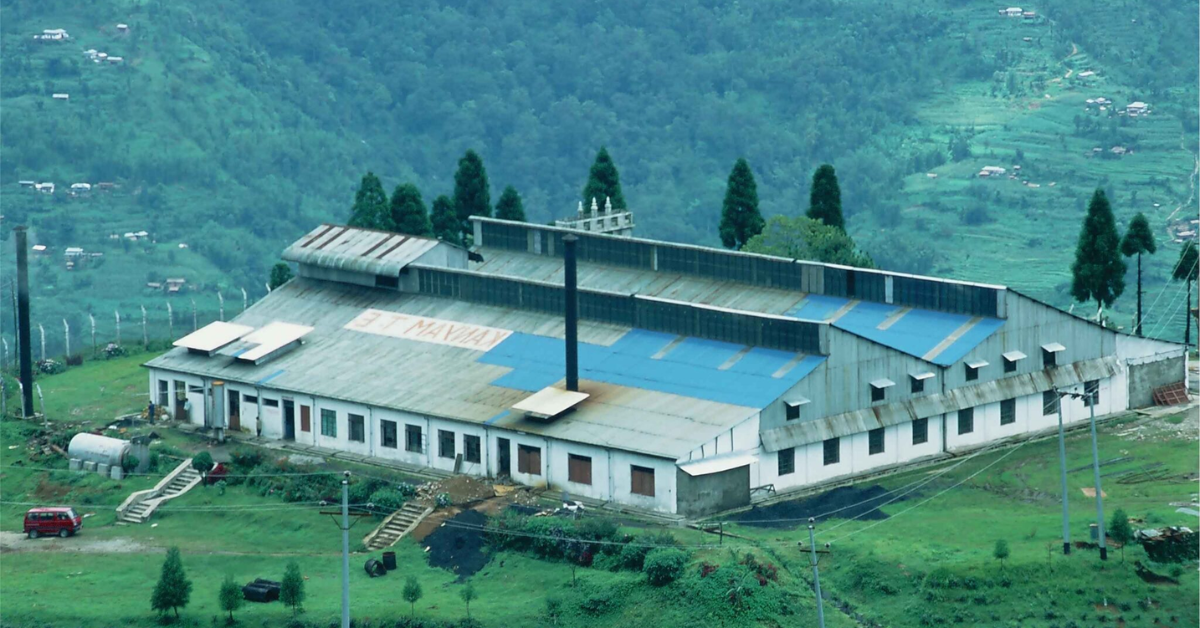

Tea Industry Resumes Operations
More than 100 tea factories in Nepal that had suspended production due to export disruptions have now reopened. The Nepal Tea Producers’ Association decided to restart operations after the government pledged diplomatic and regulatory intervention to ease shipments to India.
Impact of India’s Stricter Testing Rules
India’s revised import testing requirements for tea left around 1.3 million kilograms of Nepali tea stranded at border points and warehouses.
Under the earlier regime, mandatory lab testing for every consignment significantly slowed customs clearance, raised logistics costs and pushed many factories in eastern Nepal to halt production temporarily.
Government Assurance and Diplomatic Outreach
Nepal’s government has assured producers it will work with Indian authorities to resolve the testing and certification issues impacting tea exports.
Officials have indicated that discussions with India’s Food Safety and Standards Authority (FSSAI) and the commerce ministry are underway to move towards a more risk‑based inspection framework.
Risk-Based Testing Offers Relief
India has now approved a risk‑based testing approach for imported tea under HSN 0902, with only about 20 percent of consignments selected at random for inspection.
This change is expected to speed up customs clearance, reduce testing costs and help Nepali exporters restore regular shipments to their key market.
Workers and Exporters See Temporary Reprieve
The reopening of factories has offered immediate relief to thousands of workers whose livelihoods depend on the tea sector.
Exporters, however, remain cautious, saying long‑term stability will depend on consistent implementation of the new testing rules and continued coordination between Kathmandu and New Delhi.
 Join our WhatsApp channel for more updates:
 Subscribe to our YouTube channel for more updates: