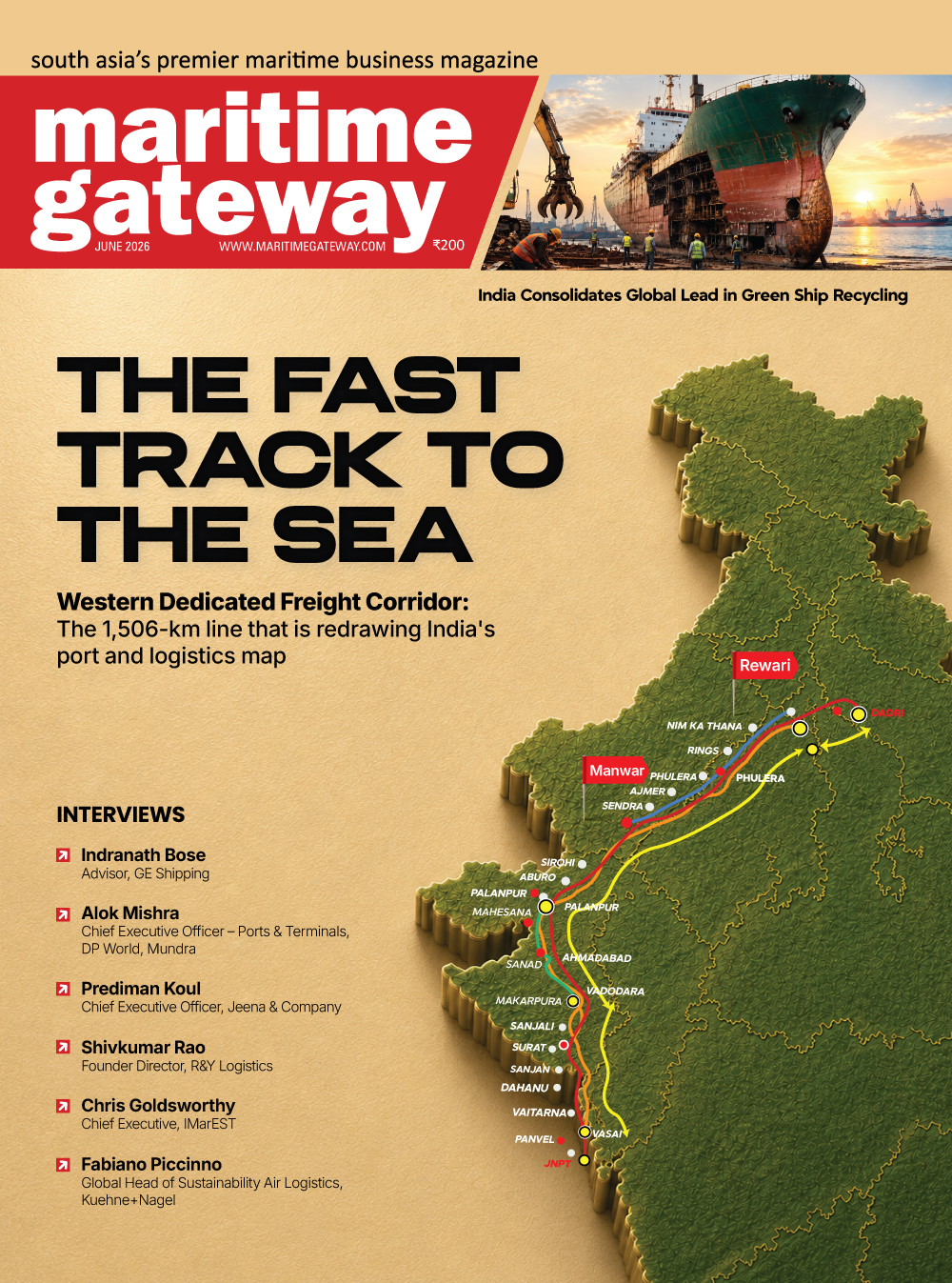




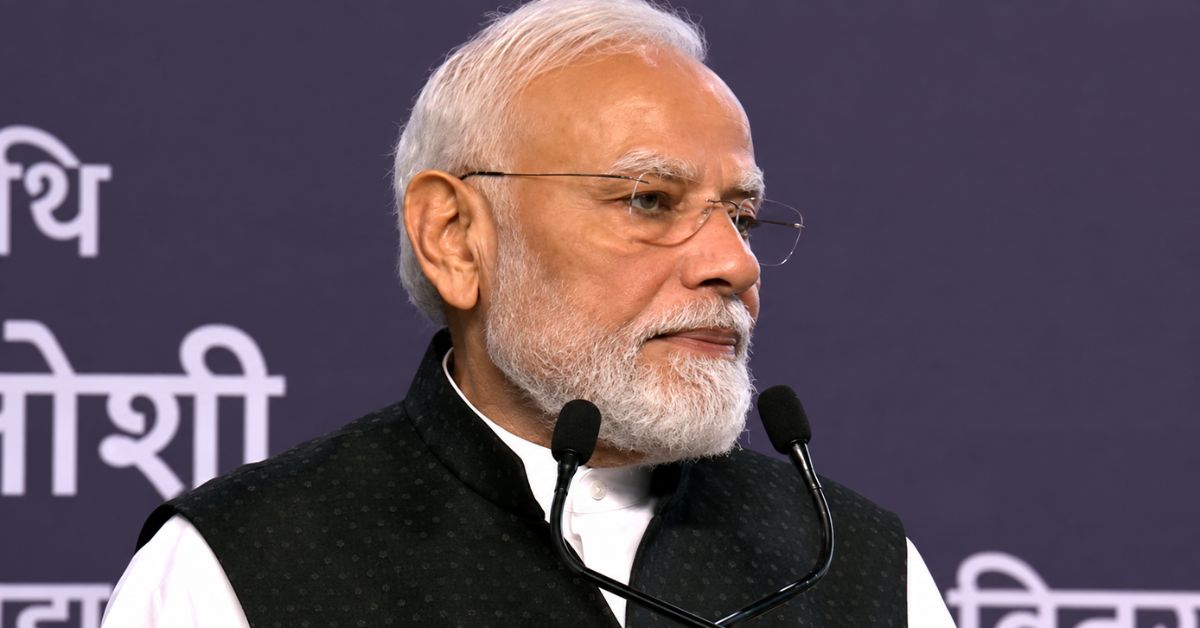

Prime Minister Narendra Modi is scheduled to dedicate three key sections of the Western Dedicated Freight Corridor (WDFC) to the nation on September 8, marking the completion of a major phase of India’s dedicated freight infrastructure. The three sections, Sanand (North)-Makarpura, New Umbergaon-New Saphale and New Saphale-Jawaharlal Nehru Port Authority (JNPA), together cover 326 route kilometres and have been developed at a cost of over Rs 20,700 crore.
With the completion of these sections, the entire Western Dedicated Freight Corridor between JNPT and Dadri has been completed, alongside the previously completed Eastern Dedicated Freight Corridor from Ludhiana to Sonnagar. The projects form part of a broader infrastructure package worth over Rs 35,000 crore, which Modi will inaugurate in Vadodara before travelling to Mumbai to inaugurate the seventh edition of the Global Fintech Fest 2026.
Why it matters:
This completes the missing port-end link in one of India’s most important logistics investments. Double-stack trains can now connect JNPA more efficiently with manufacturing and consumption centres in western and northern India, improving transit reliability and potentially reducing road congestion and logistics costs. The commissioning will provide direct freight connectivity to JNPA, facilitating faster movement of export-import cargo between industrial centres and the port, while easing congestion on Mumbai’s conventional railway network.
Railways Minister Ashwini Vaishnaw said the Eastern and Western Dedicated Freight Corridors together form a key backbone of India’s transportation and logistics network, noting that physical work on the project had not been completed before 2014 and was taken forward under Modi’s leadership by addressing long-standing challenges across various sections.
Business implication:
The completion is significant for JNPA, CONCOR and private train operators, ICDs and MMLPs, exporters, and the Bhiwandi logistics cluster. The next metric to track is how quickly rail’s share of JNPA container evacuation rises, rather than simply corridor capacity, with a joint monthly corridor scorecard from JNPA, DFCCIL and Indian Railways potentially helping clarify these operational outcomes going forward.
 Join our WhatsApp channel for more updates:
 Subscribe to our YouTube channel for more updates: