




Force majeure stretches into November after Iranian strikes on Qatar’s gas hub, with India also feeling the regional fuel squeeze
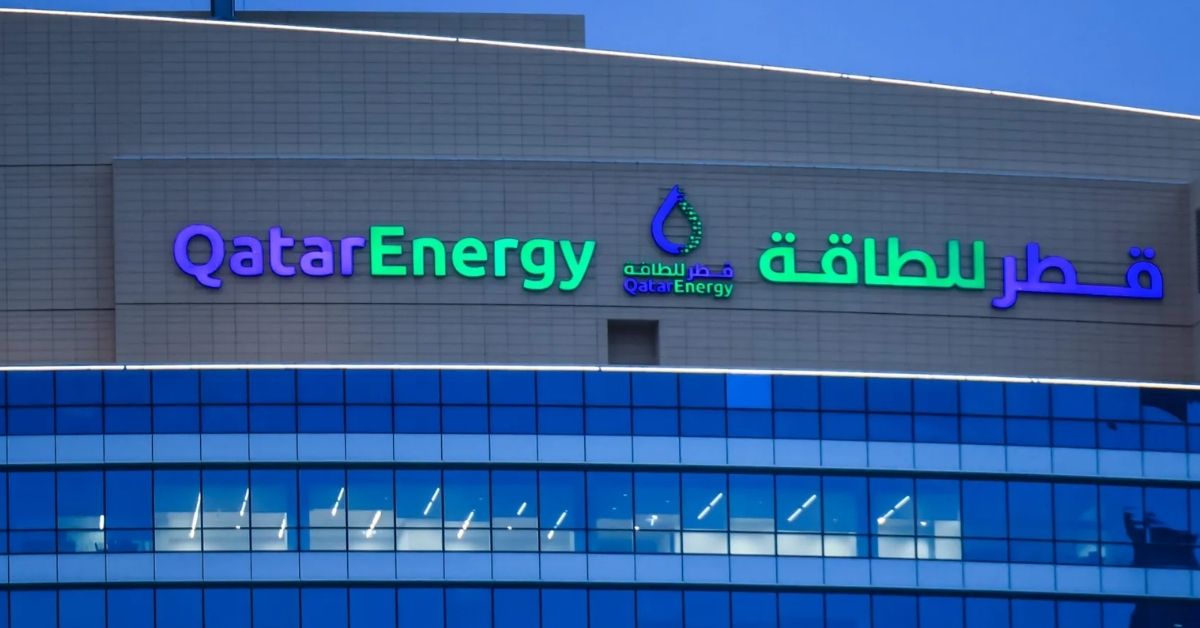
QatarEnergy has extended its suspension of liquefied natural gas deliveries to Italian utility Edison until early November, prolonging a disruption that has now stretched for more than five months following Iranian strikes on Qatar’s Ras Laffan production complex in March. The extension means Edison will not receive five scheduled LNG cargoes between the end of September and early November, taking the total number of cargoes halted since the force majeure was first declared in April to 29.
The disruption traces back to the early weeks of the US-Israel-Iran war, when Iran launched strikes against Gulf oil and gas infrastructure in retaliation for US and Israeli attacks, damaging production capacity at Ras Laffan — one of the world’s largest LNG export facilities. QatarEnergy declared force majeure on its output in March, and repair estimates have since been repeatedly pushed back; Shell, a partner in Qatari LNG ventures, has estimated that full repairs to the damaged production trains could take until the first quarter of 2027, suggesting the current disruption is far from its final chapter.
Edison, which signed a 25-year contract with QatarEnergy in 2009 for 6.4 billion cubic metres of gas annually, has said it has managed to replace 14 of the 21 cargoes affected earlier in the disruption with alternative supply and does not expect the shortfall to directly affect end customers in Italy. That mitigation has relied heavily on spot-market LNG purchases and pipeline gas from alternative suppliers, both of which come at a cost premium compared with the long-term contracted Qatari volumes.
The ripple effects of the Ras Laffan disruption extend well beyond Italy. Qatar is one of the world’s largest LNG exporters, and reduced output has tightened global supply at a time when several major importing regions are competing for available cargoes. India, heavily reliant on imported LNG for both power generation and industrial use, has been among the countries affected by the resulting fuel crunch, with domestic buyers reportedly paying higher spot prices and, in some cases, facing supply timing uncertainty as sellers prioritise long-term contractual obligations over spot commitments amid tighter global availability.
The broader pattern illustrates how the Gulf conflict has scrambled established energy trade flows well beyond the shipping routes directly affected by the Hormuz blockade. With Qatari LNG output constrained, buyers across Asia and Europe have been drawn into sharper competition for cargoes from the United States, Australia and other exporters, pushing up freight rates for LNG carriers on non-Gulf routes as vessels are redeployed to cover the shortfall.
With Shell’s repair timeline pointing well into 2027 and no resolution to the underlying conflict in sight, energy traders and utilities dependent on Qatari supply — including in India — are likely to continue navigating a tighter and more expensive LNG market for the foreseeable future, reinforcing the case some Indian buyers have made for diversifying long-term supply contracts away from single-region dependence.
Indian gas importers, including state-run and private players with long-term Qatari contracts, have generally avoided the kind of acute shortfalls seen in spot-dependent markets, since much of India’s Qatari LNG is contracted under long-term agreements that carriers have prioritised even amid broader force majeure declarations. Even so, the tighter global spot market has pushed up marginal procurement costs for any incremental volumes Indian buyers need beyond contracted quantities, a dynamic likely to persist as long as Ras Laffan’s damaged production trains remain offline.
 Join our WhatsApp channel for more updates:
 Subscribe to our YouTube channel for more updates: