



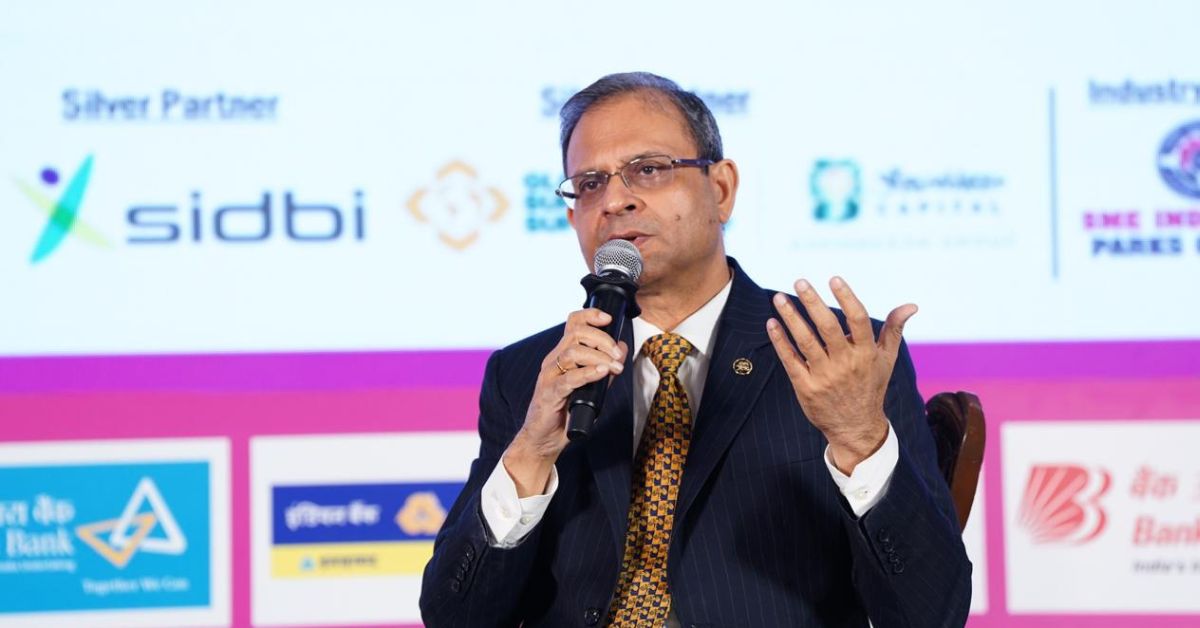

Only 20 to 30 per cent of eligible Indian exports claim lower tariffs under the country’s free trade agreements (FTAs), compared with 60 to 70 per cent of eligible exports from partner countries to India, Reserve Bank of India (RBI) Governor Sanjay Malhotra said in Mumbai on 27 November 2026. Speaking at the Small and Medium Enterprise Finance and Investment Summit, he urged micro, small and medium enterprises (MSMEs) to identify the agreements that cover their products and invest in meeting overseas standards.
What the FTA utilisation gap means for Indian exporters
The utilisation rate measures the share of eligible export value that enters a partner market at preferential tariff rates. It shows how often exporters use concessions available under a trade agreement. Malhotra described India’s low uptake as “an opportunity we are leaving on the table”.
Malhotra said India’s expanding network of trade agreements could help smaller businesses reach new markets, source quality inputs at lower cost and specialise in parts of global supply chains. Some agreements include chapters dedicated to small and medium enterprises. He singled out labour-intensive businesses as particularly well placed to benefit and urged firms to invest in product quality and certification to meet the requirements of overseas buyers and markets.
How exporters document eligibility for lower tariffs
To claim a preferential tariff, a product must meet the relevant agreement’s rules of origin. These rules determine whether goods qualify as originating in a partner country. Where a preferential certificate of origin is required, Indian exporters can apply through the Directorate General of Foreign Trade’s electronic Certificate of Origin platform. The upgraded system has handled preferential applications since 17 January 2025.
MSME bank credit grows 27 per cent
Malhotra said timely and adequate finance would help smaller businesses act on export opportunities. Bank credit to MSMEs rose 27 per cent in the year to September 2026, compared with 19.4 per cent growth in overall bank credit. Outstanding loans to the sector reached ₹42.89 lakh crore in September 2026, up from ₹17.97 lakh crore five years earlier. He called for greater attention to first-time borrowers, micro enterprises, women-led businesses and firms in smaller towns and rural areas.
The RBI raised the collateral-free lending limit for micro and small enterprises from ₹10 lakh to ₹20 lakh from 1 April 2026. Banks can extend the limit to ₹25 lakh for businesses with a good track record, Malhotra said. He also encouraged firms to use the Trade Receivables Discounting System to raise funds against invoices awaiting payment and urged lenders to spend more time understanding borrowers’ cash flows and repayment capacity.
FAQs
How much of India’s eligible export value uses FTA tariff benefits?
About 20 to 30 per cent, according to RBI Governor Sanjay Malhotra. He put utilisation by partner countries on eligible exports to India at 60 to 70 per cent.
How can Indian exporters qualify for preferential tariffs?
Exporters need to check the tariff schedule and rules of origin for their product and destination under the relevant agreement. Where a preferential certificate of origin is required, applications are filed through the Directorate General of Foreign Trade’s electronic platform.
 Join our WhatsApp channel for more updates:
 Subscribe to our YouTube channel for more updates: