



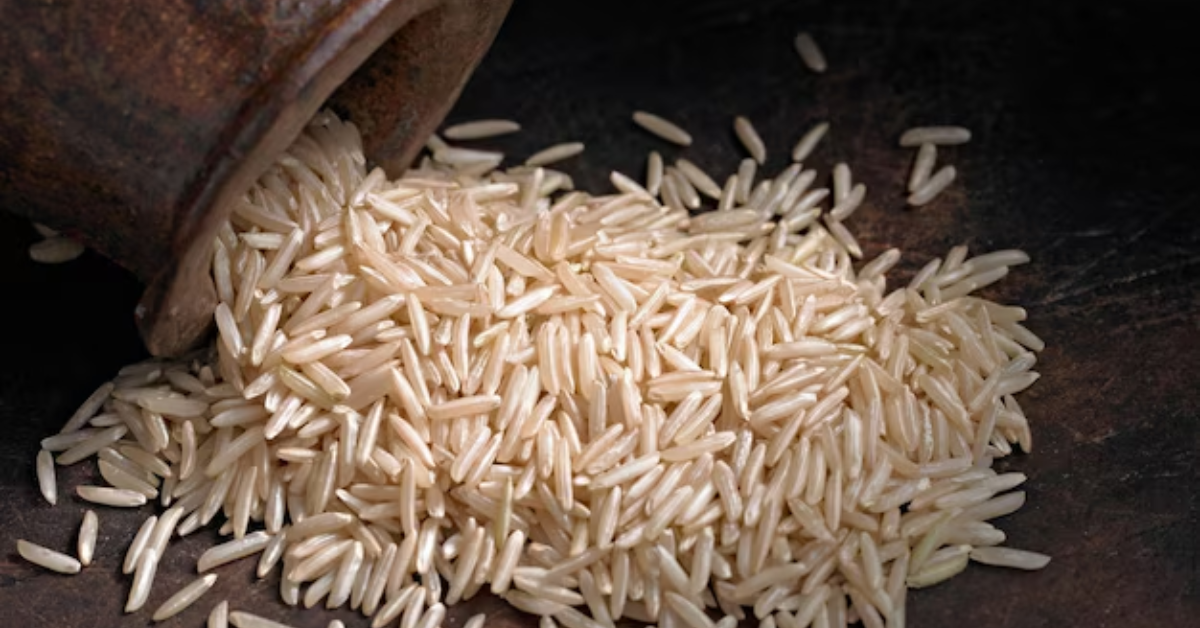

India’s basmati rice exports are facing mounting disruption as ongoing tensions along the Bab al-Mandab and the Strait of Hormuz choke off key shipping routes to the Middle East and Europe, leaving exporters under severe financial strain.
How much basmati rice is currently stranded at Indian ports?
Nearly 0.5 million metric tonnes of basmati and non-basmati rice bound for Gulf markets is stuck at Container Freight Stations in Mundra and Kandla, Gujarat. Of this, around 0.3 million metric tonnes was originally destined for Iran. Rising freight and insurance costs linked to the disruptions have added further pressure on exporters.
Why are Saudi Arabia and Iran critical to India’s basmati exports?
Saudi Arabia imports nearly 1.2 million metric tonnes of Indian basmati annually, making it India’s largest buyer, while Iran accounts for roughly 0.8 million metric tonnes. Together, the two countries import close to 2 million metric tonnes each year, underscoring how dependent India’s basmati trade is on stability in Gulf shipping lanes.
What is the broader impact on India’s rice export performance?
India, which handles nearly 45 percent of global rice trade across more than 140 countries, saw total rice exports fall 7.5 percent year on year to USD 11.53 billion in FY26. However, June exports rose nearly 16 percent year on year to over USD 1 billion, aided by temporary easing of regional tensions.
What do industry voices say about the outlook?
Ranjit Singh Jossan, Vice-President of the Basmati Rice Millers and Exporters Association, warned that prolonged disruption in both corridors could seriously affect exports, port operations and exporters’ financial stability.
 Join our WhatsApp channel for more updates:
 Subscribe to our YouTube channel for more updates: