



Shree Cement expects to exceed 100 million tonnes per annum (MTPA) of production capacity within three to four years, Chairman Hari Mohan Bangur said on 22 November. The company is expanding its manufacturing footprint to meet anticipated demand from India’s housing and infrastructure sectors, alongside investments in distribution and ready-mix concrete.
Bangur put current installed capacity at approximately 75 MTPA and said the company expected to reach 80 MTPA within two years. He outlined a targeted compound annual growth rate of 9–10% over six to seven years, compared with his expectation of 7–8% growth for the wider cement industry.
Where is Shree Cement investing?
The company announced plans earlier this month to invest ₹7,000 crore in Andhra Pradesh, covering manufacturing facilities in Kadapa, Anakapalli and Guntur districts.
Vice President Sumanth Gautham outlined the proposal in Visakhapatnam on 12 November, citing state incentives and the investment environment as factors supporting the decision. The announcement did not provide a district-wise investment split or capacity allocation for the proposed facilities.
Bangur also identified combined investment of approximately ₹3,500–4,000 crore in plants at Kutch in Gujarat and Meghalaya, largely financed through internal reserves.
The Meghalaya project, approved earlier in 2026, is planned at Daistong village in East Jaintia Hills district. It has proposed annual capacity of 0.95 million tonnes of clinker and 0.99 million tonnes of cement, with an estimated investment of ₹1,800 crore. Completion was targeted for the quarter ending March 2028.
How will the expansion affect freight planning?
Shree Cement’s FY2025–26 annual report identifies railway infrastructure as a priority for reducing its historical reliance on road dispatches. The company expects investments in plant connectivity to generate freight savings and nearly double rail’s share of its logistics mix over the next few years.
Its railway sidings support the movement of cement, clinker, fuel and raw materials. The report positions rail as a means of improving both transport capacity and reliability during periods of higher demand.
Management also identified railway sidings, ready-mix concrete plants and preliminary work on the Meghalaya project as investment priorities during its May 2026 earnings call. At that stage, it estimated FY2026–27 capital expenditure at approximately ₹1,500 crore. That annual spending estimate is distinct from the subsequently announced, broader expansion proposals.
What changes are being made to dispatch operations?
The annual report says approximately 95% of dispatches were tracked through the Global Positioning System (GPS). Its logistics control tower monitors transit behaviour, waiting times, route deviations and delivery schedules.
An Integrated Logistics Management System tracks vehicles from gate entry through loading and exit, helping identify operational bottlenecks. The company is also refining depot locations and using supply-chain planning software to coordinate manufacturing, sales and transport requirements.
These measures address the movement of existing production as well as the distribution demands associated with a larger manufacturing network.
How is the ready-mix concrete business expanding?
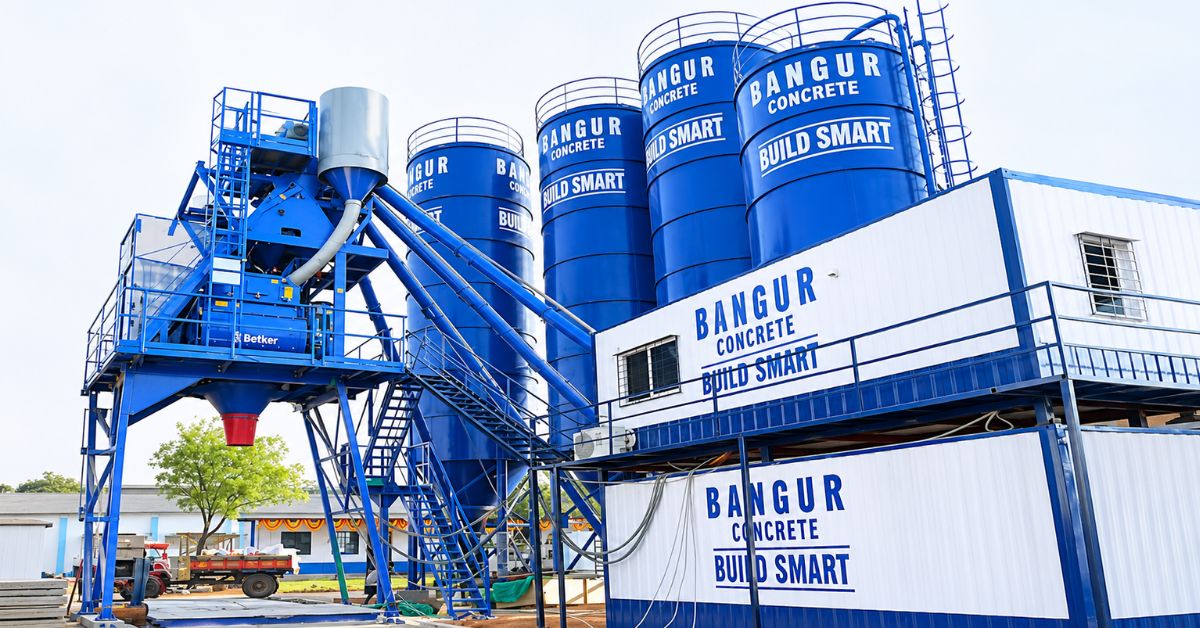
Shree Cement operates around 40 ready-mix concrete plants and plans to increase the network to 60–80 plants within 15–18 months. Bangur said monthly production capacity would rise from approximately 100,000 cubic metres to 200,000 cubic metres over 18 months.
He indicated that the company would concentrate on cement and concrete rather than diversify into unrelated building-material categories.
The 100-MTPA ambition remains a capacity target. Actual freight volumes will depend on project commissioning, plant utilisation and sales, while the company’s rail and dispatch investments address the logistics requirements of its expanding operations.
 Join our WhatsApp channel for more updates:
 Subscribe to our YouTube channel for more updates: