




Six Indian-flagged vessels carrying crude oil, LPG, LNG and other cargoes have successfully docked at Mumbai and multiple Indian ports in recent days, marking a key stabilising phase for India’s energy and trade lifelines after weeks of disruption in the Strait of Hormuz. The arrivals include tankers that had earlier been stranded or delayed west of the strategic chokepoint due to heightened conflict in West Asia, as well as India-bound LPG carriers that were allowed safe passage following high-level diplomatic engagement with Iran. Together, these berthings underscore the gradual unclogging of critical sea lanes for Indian imports, particularly for cooking gas and crude oil.
According to shipping and government sources, the six Indian ships comprise a mix of LNG, LPG and crude carriers along with other cargo vessels routed from the Gulf region. Among the latest to reach India are LPG carriers BW Tyr and BW Elm, which completed their transit through the Strait of Hormuz before berthing at Mumbai Port and New Mangalore Port on March 31 and April 1, respectively. Data from maritime tracking platforms shows that these ships were part of a broader cohort of Indian-flagged vessels that navigated the sensitive corridor under closely coordinated clearances and, in some cases, naval oversight. Their safe arrival has been welcomed by energy planners as it brings in substantial volumes of LPG at a time when concerns were building over potential supply tightening.
Officials indicated that, since the onset of hostilities in late February, at least two India-flagged LPG carriers carrying a combined 92,700 tonnes of LPG have been cleared by Iran to cross Hormuz, with onward berthing scheduled at ports in Gujarat and along the west coast. These cargoes form part of the six-vessel cluster now reported as having docked at Mumbai and other locations, contributing to a replenishment of stockpiles and mitigating the risk of domestic distribution disruptions. The vessels are in addition to crude tankers such as the Liberia-flagged Shenlong, which earlier delivered about 135,000 tonnes of Saudi crude into Mumbai, further reinforcing India’s near-term energy buffer.
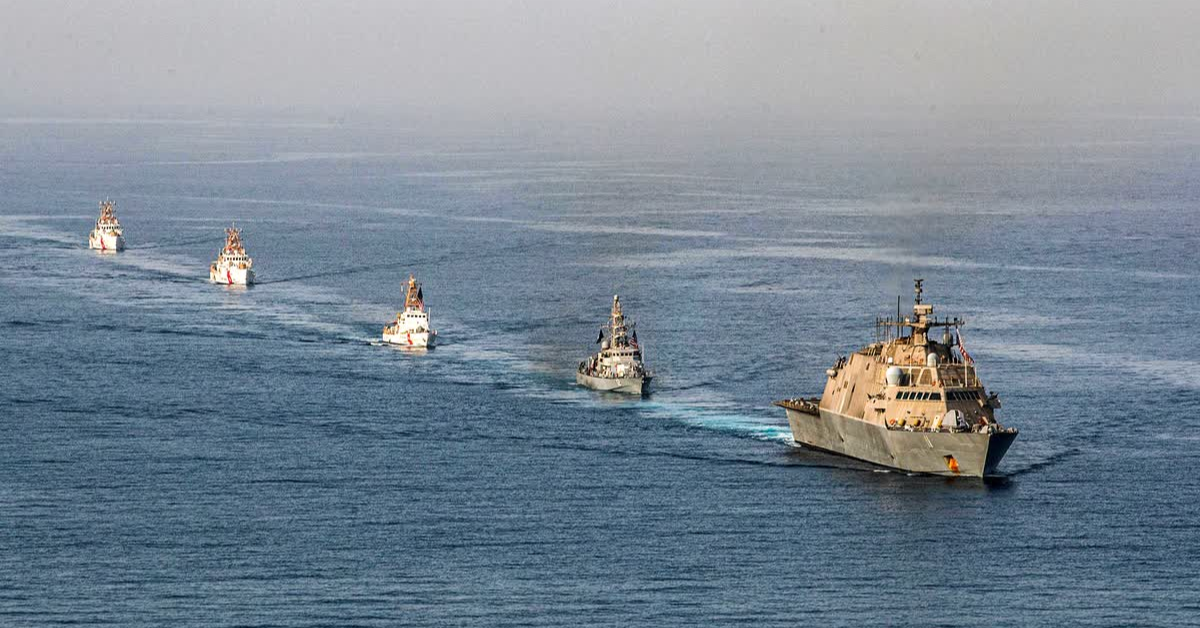
The Ministry of Shipping and the Indian Navy have played a central role in enabling these movements by maintaining a calibrated security and escort posture in high-risk waters. Senior officials have confirmed that Indian naval assets have been deployed to monitor and, where necessary, accompany merchant shipping linked to India’s energy supply chain, providing confidence to shipowners, charterers and insurers. At the same time, New Delhi’s diplomatic outreach to Tehran has resulted in explicit assurances that “non-hostile” India-bound vessels would be granted safe passage, a commitment now reflected in the successful transit and berthing of these six Indian ships.
For Indian ports and terminal operators, the docking of these vessels highlights both operational readiness and the adaptive capacity of the hinterland logistics network. Mumbai, New Mangalore and other receiving ports have had to adjust berthing windows, tank farm scheduling and evacuation plans to accommodate delayed or bunched arrivals while maintaining normal coastal and export traffic. Port authorities have emphasised that despite the geopolitical turbulence, cargo handling remains smooth and safety standards are being strictly observed, ensuring that crude, LPG and LNG discharges are completed efficiently to feed refineries, city gas networks and bottling plants.
From a broader maritime logistics perspective, the arrival of the six Indian ships is a positive signal that, even under sustained regional tension, critical energy flows to India can be maintained through a combination of diversified sourcing, diplomatic channels and enhanced maritime security. While traffic through the Strait of Hormuz is yet to fully normalise and many global carriers remain cautious, the recent berthings demonstrate that carefully negotiated corridors and flag-state coordination can keep essential supply chains moving. For Indian shippers, charterers and port stakeholders, these developments also reinforce the importance of real-time monitoring, flexible port planning and close government–industry coordination in navigating one of the most challenging phases for energy shipping in recent years.
 Join our WhatsApp channel for more updates:
 Subscribe to our YouTube channel for more updates: