




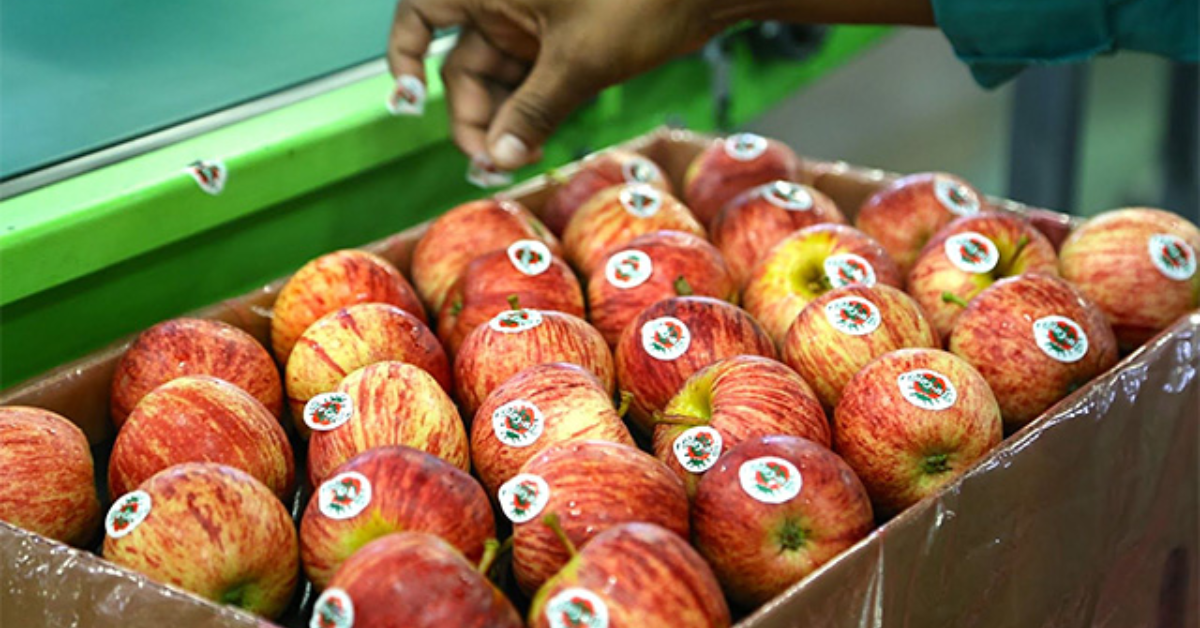

India has become one of the most promising growth markets for South African apple exports, driven by rising demand for imported fresh fruit and a rapidly expanding middle class in major cities. However, South Africa’s competitiveness in the Indian apple market is increasingly constrained by import tariffs that remain significantly higher than those applied to several rival suppliers.
South African apples typically face an import duty of around 50 per cent when entering India, a level that sharply limits price competitiveness against origins that benefit from preferential or free trade agreements. By contrast, suppliers such as the European Union and New Zealand are progressively securing lower tariff rates through bilateral deals, which could bring duties on their apples down to roughly 20–25 per cent over the next few years.
This widening tariff differential risks eroding South Africa’s hard‑won position in India’s apple import segment, where varieties like Gala have built strong recognition among traders and consumers. If competing origins gain better access through reduced duties, Indian importers and retailers are likely to shift more volume towards suppliers that can land apples at lower prices while still meeting quality requirements.
Industry analysts therefore see tariff reform and a more favourable trade framework with India as strategically important for South African growers and exporters. Without movement towards a preferential trade agreement or lower applied tariffs on South African apples, the country risks losing market share in one of the world’s most dynamic and high‑potential destinations for imported fresh fruit.
 Join our WhatsApp channel for more updates:
 Subscribe to our YouTube channel for more updates: