


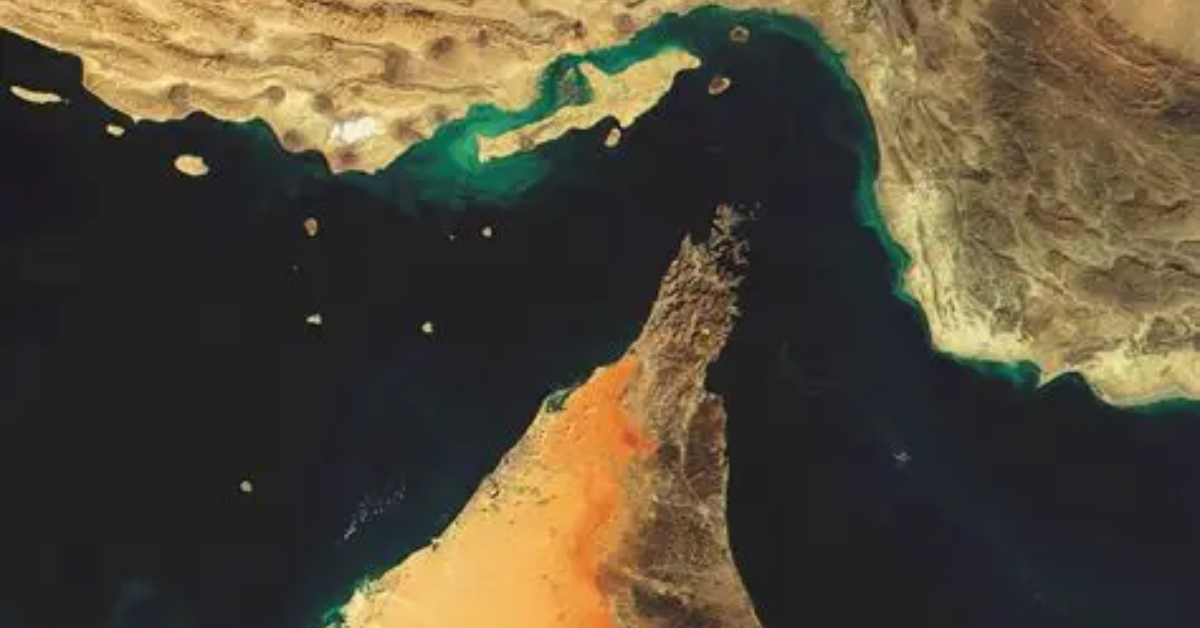

The Strait of Hormuz has fully reopened to commercial shipping, triggering a sharp 10% drop in crude prices and igniting rallies across global equity markets as supply disruption fears evaporate.
Iran’s Foreign Minister Abbas Araghchi announced Friday that passage for all vessels stands “completely open” through the current Lebanon ceasefire window, enabling unrestricted tanker outflows from Persian Gulf terminals. US President Donald Trump hailed the development, noting swift negotiations with “most points already settled.” The waterway—handling 21 million barrels daily or 20% of global oil—resumes normal ops post-blockade, with first tankers clearing unhindered.
Benchmark futures tumbled: West Texas Intermediate plunged 10.2% to $81.88/barrel, Brent crude shed 10.3% to $89.09—erasing war premiums but holding above $70 pre-conflict levels amid residual caution. The retreat lifted energy-sensitive stocks: airlines like United soared 9.8%, cruise lines Norwegian and Royal Caribbean +9.3%, as lower fuel costs signal margin relief.
Wall Street charged to records: Dow Jones vaulted 722 points (+1.5%), S&P 500 +1%, Nasdaq +1.1%—capping a third weekly gain streak since late March’s 12% rebound on de-escalation hopes. Europe’s CAC 40 climbed 2%, DAX +2.2%; Asian indices mixed post-announcement. Optimism pivots on Hormuz as “clearest de-risking signal,” though US port sanctions on Iran persist, per analysts eyeing year-end crude near $70s lows.
For maritime logistics, the thaw unjams VLCC/LNG queues: charter rates, doubled to $150,000/day amid Hormuz snags, face 30-40% correction. Shadow fleet operators abandon spoofing, AIS traffic surges 80% through the strait. Insurers slash war-risk premiums 25%, easing $4/gallon US pump pain while stabilising global inflation forecasts at 2.8%.
Red Sea synergies amplify relief: combined rerouting costs—$1.2 million extra per VLCC via Cape—should halve as Suez/Hormuz flows normalise. Tanker trackers report 15 delayed Gulf loadings resuming, targeting Europe/Asia markets. Yet volatility lingers: ceasefire’s 10-day span demands extension, with IRGC transit fees in yuan potentially reimposed.
The rally underscores energy’s market sway: post-Hormuz reopen, IMF upgrades 2026 growth to 3.2%, crediting avoided 5-7% oil spikes. Shipping lines pivot from buffers to velocity, with container spot rates easing 10% as supply chains thaw. Hormuz’s pivot from peril to passage reaffirms sea-lanes’ primacy—where geopolitics toggles trillions in trade.
 Join our WhatsApp channel for more updates:
 Subscribe to our YouTube channel for more updates: