




Maersk and Hapag-Lloyd resume transits as Red Sea hostilities ease — just as the canal authority prepares to raise surcharges.
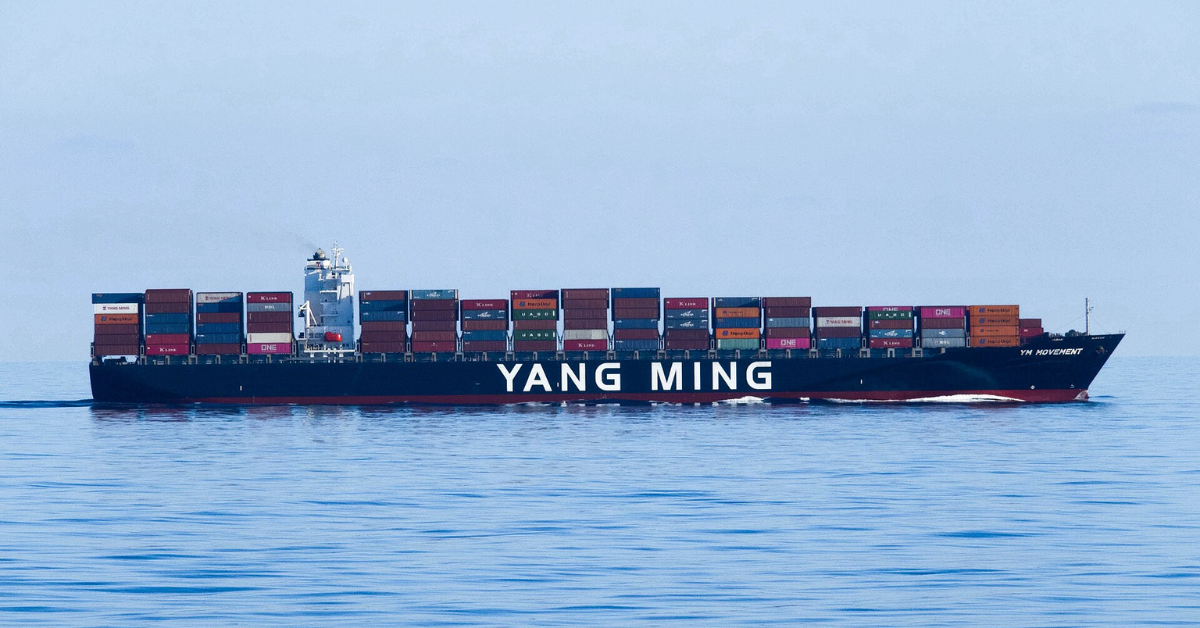
After more than a year of avoiding the Red Sea and Suez Canal in favour of the longer, costlier route around Africa’s Cape of Good Hope, two of the world’s largest container lines are cautiously heading back. Maersk and Hapag-Lloyd, which jointly operate the AE15 service under their Gemini Cooperation, have begun resuming transits through the Suez Canal, judging that Houthi attacks on shipping — which triggered the mass diversion in the first place — have sufficiently subsided since the Israel-Gaza ceasefire took hold.
Maersk has confirmed completion of its first headhaul transit through the Suez Canal under the resumed routing, a symbolically significant milestone for a carrier that spent much of the past two years publicly citing crew safety as its reason for avoiding the waterway. Industry reporting suggests the return is being managed gradually and selectively — resuming on some strings while continuing to route others around Africa — rather than as a wholesale switch back, reflecting continued caution about the durability of the calm in the Red Sea and Bab-el-Mandeb Strait.
That caution looks justified. Even as the Suez route reopens, a new destabilising factor has emerged just to the east: the escalating Strait of Hormuz crisis between the US and Iran. Trade publication India Seatrade News captured the irony directly, describing Maersk’s Red Sea return as being “overshadowed” by the Hormuz standoff — carriers regaining confidence in one Middle Eastern chokepoint just as another erupts into open conflict.
Adding to the calculus, the Suez Canal Authority has announced that surcharges on vessels transiting the canal will rise from July 15, 2026. Dry bulk carriers face the steepest increase, with temporary surcharges climbing from 10% to 22%, while crude tankers, LPG carriers and other vessel classes also face notable increases. The Canal Authority has leaned on temporary surcharges over the past two years partly to offset the revenue lost during the mass diversion around the Cape, and partly to fund security and safety measures introduced in response to the Houthi threat.
The net effect for shippers is a market in flux on multiple fronts simultaneously. The Panama Canal Authority separately reduced the maximum allowable draft for its Neopanamax locks to 49.5 feet from July 1 — a modest but consequential half-foot cut that will force some vessels to carry less cargo or seek transshipment options, adding cost and delay particularly for US East Coast and Midwest-bound freight. Combined with new Suez surcharges and the still-unresolved Hormuz crisis, freight analysts say capacity remains tight and costs elevated across most major east-west and Gulf-linked trade lanes, even as the worst of the Red Sea disruption appears, tentatively, to be easing.
For Indian exporters and importers routing cargo to Europe and the US East Coast via Suez, the return of major carriers to the canal should eventually mean shorter transit times than the Cape route, but the higher surcharges — layered on top of already-elevated war-risk premiums linked to the Gulf — mean freight costs are unlikely to fall as quickly as transit times.
 Join our WhatsApp channel for more updates:
 Subscribe to our YouTube channel for more updates: