


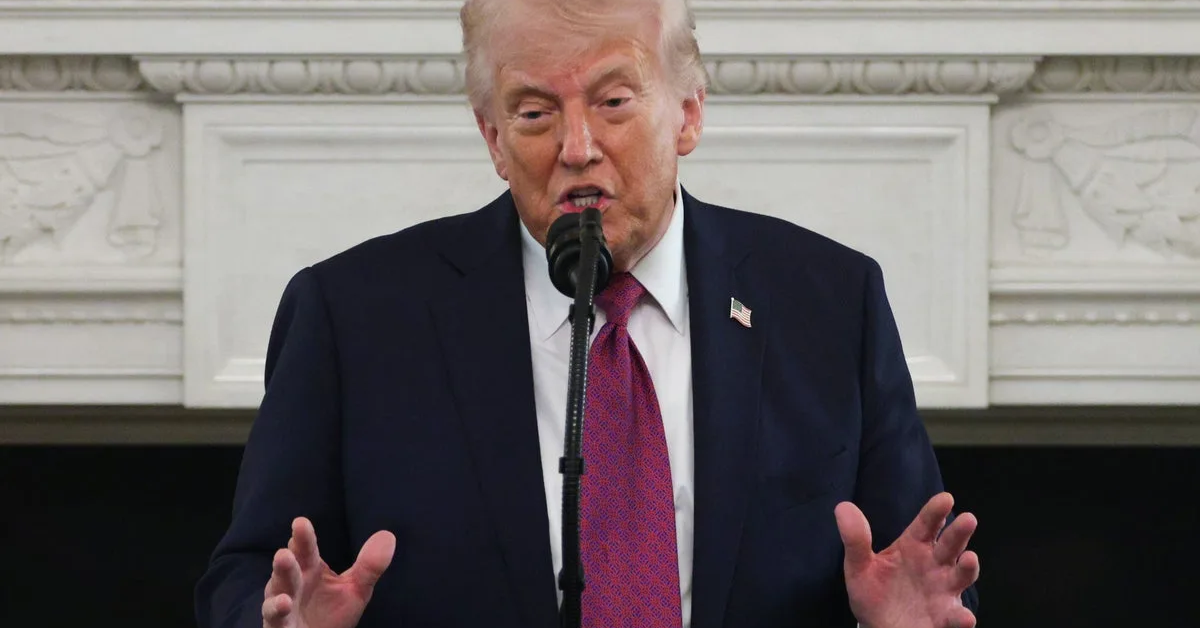

US President Donald Trump has extended a key US shipping waiver by 90 days to help maintain fuel and fertiliser supply chains that have come under acute strain from the Gulf crisis, providing temporary relief that allows shipments of these essential commodities to move more efficiently through disrupted maritime corridors. The waiver extension came the same weekend that Trump spoke with UK Prime Minister Keir Starmer about the urgent need to reopen the Strait of Hormuz — reflecting the dual-track approach the administration is pursuing of maintaining military pressure on Iran while simultaneously providing commercial logistics relief to avoid an acute domestic supply shock in fuel and food input markets.
Fuel and fertiliser markets have been among the most severely impacted by the Hormuz crisis. Iran and Qatar together account for a significant share of global LNG and fertiliser production, and the near-closure of the strait has disrupted the tanker flows that move both commodities to importers in Asia, South Asia, and Europe. India’s domestic urea production has fallen from 24 lakh tonnes per month to approximately 18 lakh tonnes as gas shortages hit fertiliser plants — a direct consequence of disrupted LNG supply from Qatar — and the country has issued an emergency tender for 2.5 million tonnes of imported urea to fill the gap ahead of the kharif sowing season.
What the 90-Day Extension Covers
The specific scope of the shipping waiver extension relates to Jones Act-type provisions and other US maritime regulations that restrict the use of foreign-flagged vessels for certain domestic US trades — provisions that the Trump administration had partially waived earlier in the crisis to allow more flexible routing and use of available vessel capacity for emergency fuel movements. The 90-day extension gives US energy distributors and agricultural companies continued access to a broader pool of vessel capacity for domestic distribution of imported fuel and fertiliser, preventing a logistical supply crunch from compounding the commodity supply disruption.
The extension is also commercially significant for India. It signals that the US administration, while maintaining its naval blockade of Iranian ports, recognises that the broader commodity market disruptions from the Hormuz crisis need to be managed through commercial flexibility rather than exacerbated through additional regulatory restrictions. The interplay between Trump’s pressure campaign on Iran, his simultaneous calls for Hormuz reopening, and now his 90-day shipping waiver extension reflects the complexity of managing a geopolitical confrontation whose economic spillovers are touching American households through higher energy and food prices.
 Join our WhatsApp channel for more updates:
 Subscribe to our YouTube channel for more updates: