




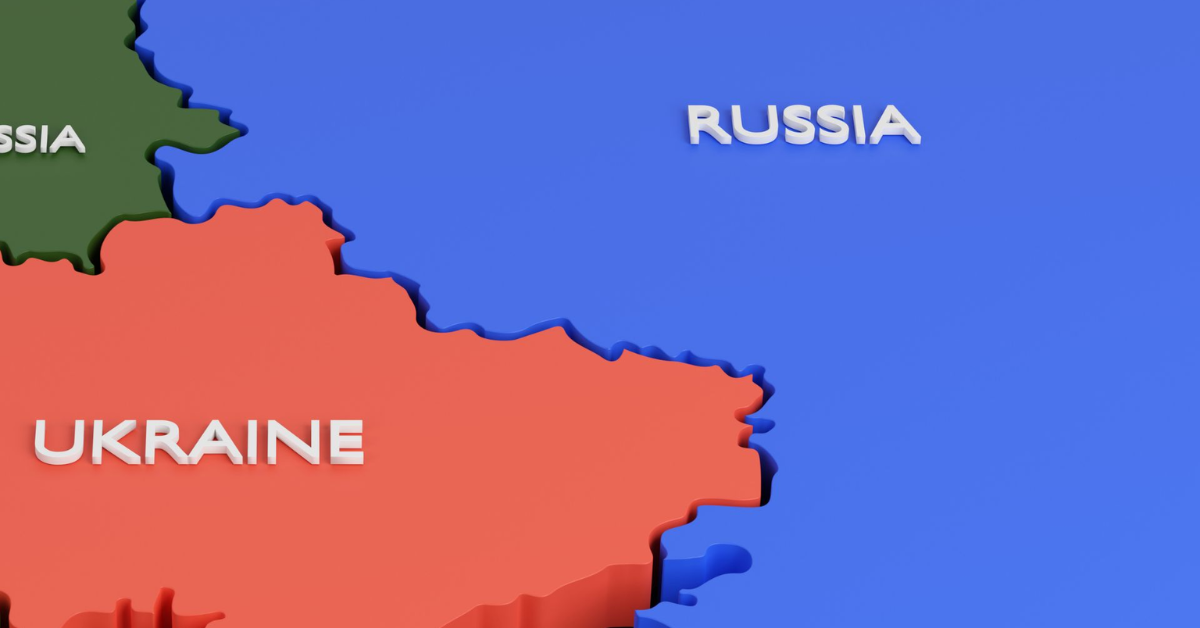

A fresh drone attack on a southern Russian port and fuel storage facility underscores how maritime and energy infrastructure has become a key battlefield in the Russia-Ukraine conflict.
Ukrainian drone strikes have hit a port facility and an oil depot in southern Russia, according to reports confirmed on May 31, in the latest escalation of a sustained campaign targeting logistics and energy infrastructure linked to Russia’s war effort. Russian air defence systems were activated in response, and emergency services were deployed to assess damage at the affected sites.
The targeted locations form part of the regional transport and fuel supply network in southern Russia — an area that has become increasingly vulnerable to Ukrainian long-range drone operations over the past two years. While Russian authorities have not disclosed the specific port or depot that was struck, the general area of operations corresponds to the Azov-Black Sea coastal zone, where several major commercial and strategic maritime facilities are located.
Drone strikes on ports, oil depots and fuel terminals have become a systematic feature of the conflict, with Ukraine seeking to degrade Russia’s ability to move military supplies, export energy commodities and maintain the operational readiness of its forces and industry. The targeting of port infrastructure in particular has disrupted cargo movements and raised insurance costs for vessels operating in the wider Black Sea region.
For global shipping markets, the strikes carry specific relevance. Russia is one of the world’s largest exporters of crude oil, refined petroleum products, grain and fertilisers — and southern Russian ports including Novorossiysk, Kavkaz and Taman are key export terminals for these commodities. Sustained disruption to these facilities affects global supply chains for energy and agricultural inputs, with knock-on effects on commodity prices and freight markets worldwide.
India, as one of the largest buyers of Russian crude oil since the 2022 sanctions triggered a pricing dislocation, has a direct interest in the stability of these supply routes. Indian refiners have been purchasing Urals-grade crude at significant discounts through the Black Sea and Baltic export routes; any significant disruption to the former would require supply chain adjustments and potentially higher procurement costs.
The incident also adds to a growing body of precedent for attacks on civilian port infrastructure in armed conflict — raising questions for the International Maritime Organization (IMO) and the broader international community about the legal and humanitarian status of port facilities in active conflict zones.
Shipping insurers and war-risk underwriters have already substantially raised premiums for vessels operating in or near the Black Sea, and the latest strikes are expected to sustain upward pressure on those rates in the near term.
 Join our WhatsApp channel for more updates:
 Subscribe to our YouTube channel for more updates: