



The United States military has reported complete success in the initial phase of a naval blockade targeting Iranian ports, with nine vessels turned back within the first 48 hours and no ships breaching the enforced perimeter.
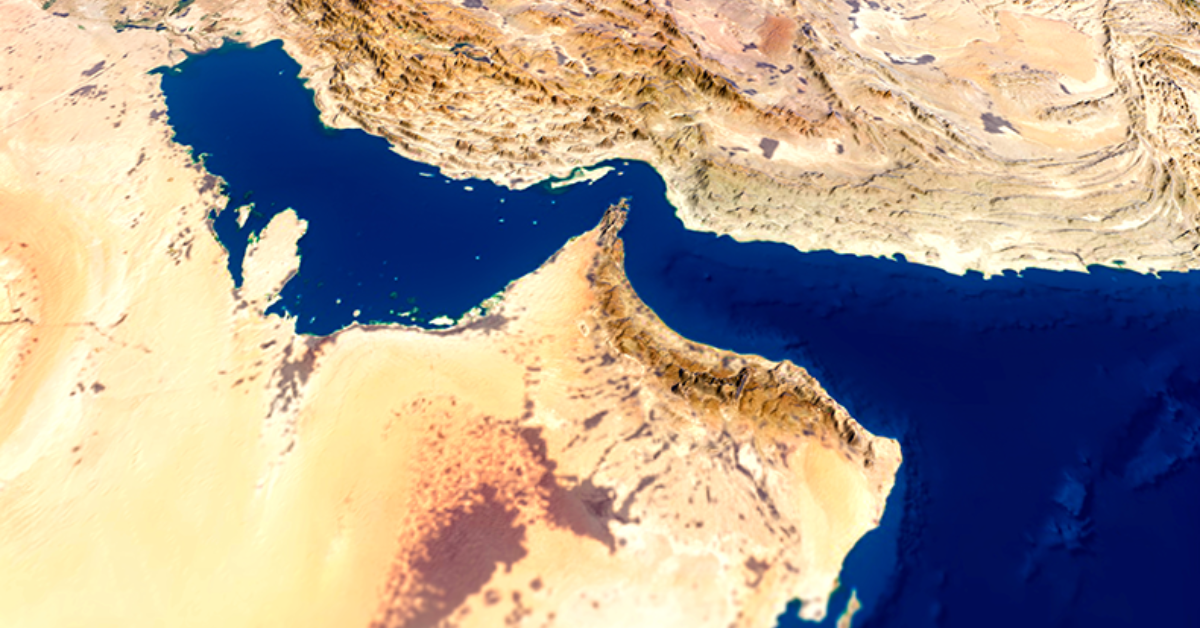
US Central Command (CENTCOM) confirmed Wednesday that its forces intercepted all attempted maritime traffic to and from key facilities like Bandar Abbas, Bushehr, and Imam Khomeini on the Persian Gulf and Gulf of Oman. “No vessels have made it past US forces,” CENTCOM stated, noting that the nine ships—spanning tankers and dry bulk carriers—complied with directives to reverse course after approaching restricted zones.
Over 10,000 US Sailors, Marines, and Airmen, backed by more than a dozen warships, destroyers, and P-8A Poseidon aircraft, maintain an ironclad presence. The operation, launched Monday at 1400 GMT, selectively targets Iran-linked traffic while permitting transits to non-Iranian destinations like UAE or Qatar ports. Maritime trackers such as Kpler show eight Iran-bound tankers idling or diverting in the Gulf of Oman, with AIS signals indicating strict adherence despite reported spoofing attempts by shadow fleet operators.
This measure chokes Tehran’s primary oil export artery—historically 2.5 million barrels per day—encompassing sanctioned crude, LPG, and petrochemicals that represent 15-20% of global seaborne energy flows through the Strait of Hormuz. Enforcement remains impartial across nationalities, overriding prior selective passages under fragile US-Iran ceasefire protocols. Iran denies full compliance, claiming one supertanker evaded via northern coastal lanes, but CENTCOM dismissed the assertion as unverified.
Disruptions compound existing Red Sea/Hormuz tensions: war-risk premiums have surged 25%, VLCC charter rates hit $120,000/day, and global shipping lines delay Gulf calls amid elevated risks. The International Maritime Organization flagged a humanitarian window for 20,000 stranded seafarers, while major operators reroute via Africa’s Cape, adding 10-14 days to voyages. China’s commerce ministry warned of energy market shocks, with Brent crude hovering near $95/barrel on blockade fears.
CENTCOM Commander Adm. Brad Cooper emphasized “full operational dominance,” with real-time satellite/drone fusion ensuring airtight control. The blockade aligns with ceasefire terms demanding verifiable halts to Iran’s maritime sanctions evasion, though Tehran imposes transit fees up to $2 million per vessel—often in yuan—for “approved” movements under IRGC oversight.
As the standoff enters day three, global trade braces for prolonged volatility. With 21 million barrels daily at stake through Hormuz, sustained enforcement could trigger IMF-projected 5-7% oil price spikes, reshaping tanker deployments and LNG routes worldwide. Shipping associations urge IMO mediation for neutral lanes, but US officials signal no timeline for lift—positioning the blockade as a “controlled squeeze” to compel negotiations.
The Strait’s chessboard underscores maritime fragility: superpower patrols dictating sea-lanes, where compliance averts escalation but tests the $14 trillion annual trade artery’s resilience.
 Join our WhatsApp channel for more updates:
 Subscribe to our YouTube channel for more updates: