


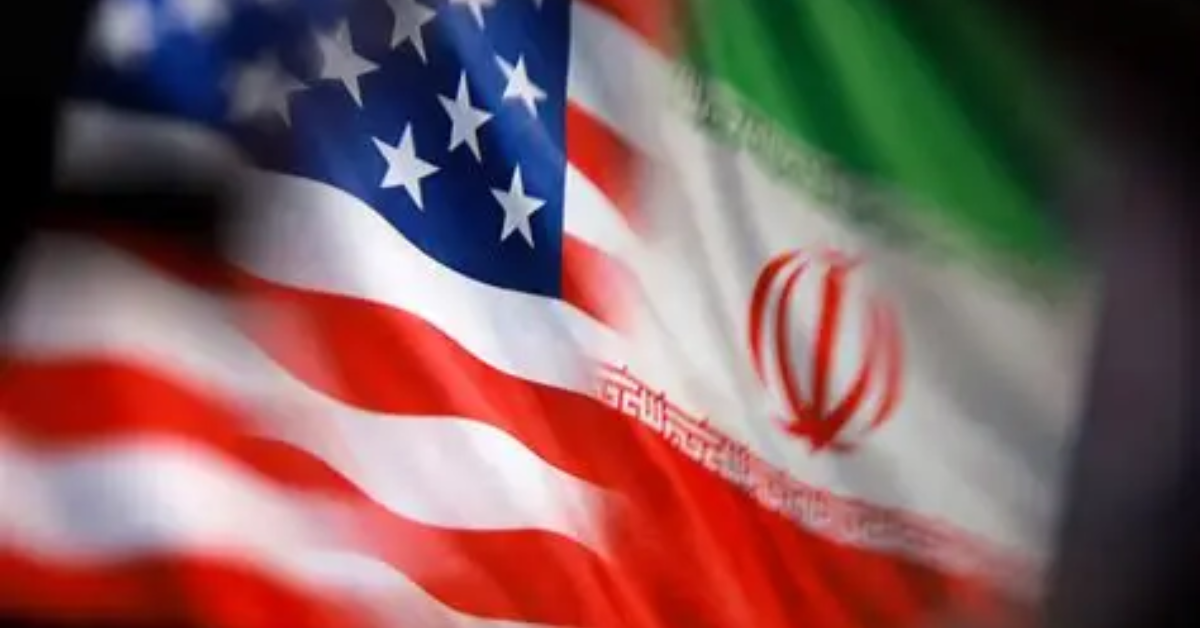

The United States and Iran have reached a tentative peace framework to end their conflict, reopen the Strait of Hormuz, and extend the current ceasefire for 60 days. U.S. President Donald Trump confirmed the deal is “fully signed,” with Pakistan’s Prime Minister Shehbaz Sharif facilitating the mediation. A formal signing ceremony is scheduled for Friday in Geneva.
The memorandum of understanding calls for reopening the Strait of Hormuz and lifting the U.S. naval blockade on Iranian ports. The U.S. will begin releasing billions of dollars in frozen Iranian assets immediately and lift sanctions on Iranian oil exports in exchange for Iran reopening the strategically vital shipping lane, which previously accounted for approximately 20% of global oil and LNG traffic before the conflict.
The agreement includes an immediate and permanent cessation of military operations across all fronts, including Lebanon, where clashes occurred between Israel and Iran-supported Hezbollah. Iran’s Supreme National Security Council announced that all military operations will cease immediately and permanently. The 60-day extension provides a timeframe for negotiations on Iran’s nuclear program, including discussions on uranium enrichment and management of highly enriched uranium.
The deal represents the most significant diplomatic advancement in the ongoing conflict and allows for further discussions on nuclear issues, sanctions relief, and Iran’s nuclear program.
 Join our WhatsApp channel for more updates:
 Subscribe to our YouTube channel for more updates: