




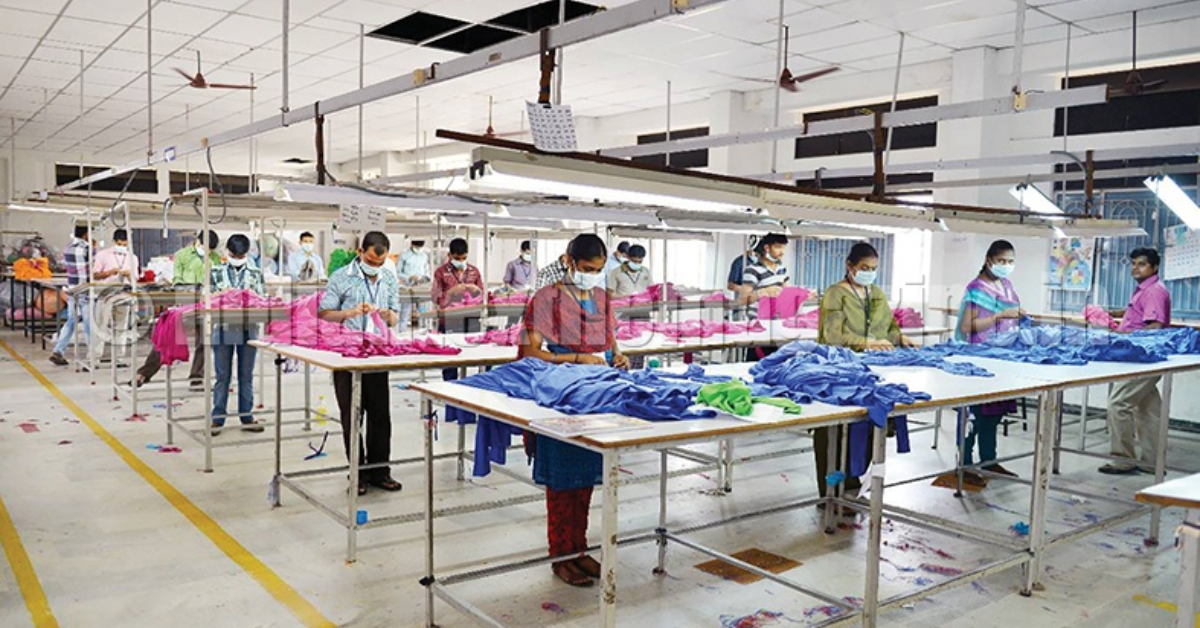

Indian textile and apparel exporters face a competitive disadvantage against Asian rivals following Washington’s new 10 percent tariff on Indian goods, an industry body said, warning that the move could shift sourcing orders away from India.
What tariffs has the US imposed on Indian textile exports?
The Trump administration has imposed duties of 10 percent and 12.5 percent on goods from 60 trading partners, citing inadequate enforcement of forced labour import prohibitions. The duty, effective from Friday, applies on top of standard US most-favoured-nation tariffs and covers much of India’s manufactured exports under Section 301 of the US Trade Act of 1974, according to the Confederation of Indian Textile Industry.
Why does this put India at a disadvantage against other exporters?
India has been excluded from planned tariff-rate quotas that allow specified textile and apparel shipments from Bangladesh, Cambodia, Indonesia and Malaysia, using US-origin cotton and fibre, to enter the US market free of the Section 301 duty. CITI Chairman Ashwin Chandran said the differential treatment risks diverting sourcing orders for textile and apparel items away from India toward these competing exporters.
How significant is India’s textile trade with the US?
India’s textile and apparel exports to the United States, its largest market for the sector, are worth nearly USD 11 billion annually. In comparison, Bangladesh exported about USD 8 billion worth of apparel to the US in 2024, while Indonesia and Cambodia each shipped close to USD 4 billion. Together with Malaysia, these countries are now eligible for the new textile quota mechanism, giving them a pricing edge over Indian suppliers.
What is the broader impact on Indian exports to the US?
Ajay Srivastava, founder of the Global Trade Research Initiative, estimated that about 70 percent of Indian exports to the US, including garments, machinery, chemicals, plastics, leather goods, gems and jewellery, and furniture, would face regular duties plus the new tariff. The new measures, outlined in a Federal Register notice, cover 99.4 percent of US imports, though they include exemptions for products such as oil and gas, fertiliser and certain food items. India’s trade ministry has not yet issued a response.
What does this mean for India’s export and logistics sector?
The tariff differential adds fresh pressure on India’s textile and apparel supply chain, with potential knock-on effects for container volumes, freight demand and export logistics on India-US trade routes as sourcing patterns adjust.
 Join our WhatsApp channel for more updates:
 Subscribe to our YouTube channel for more updates: