



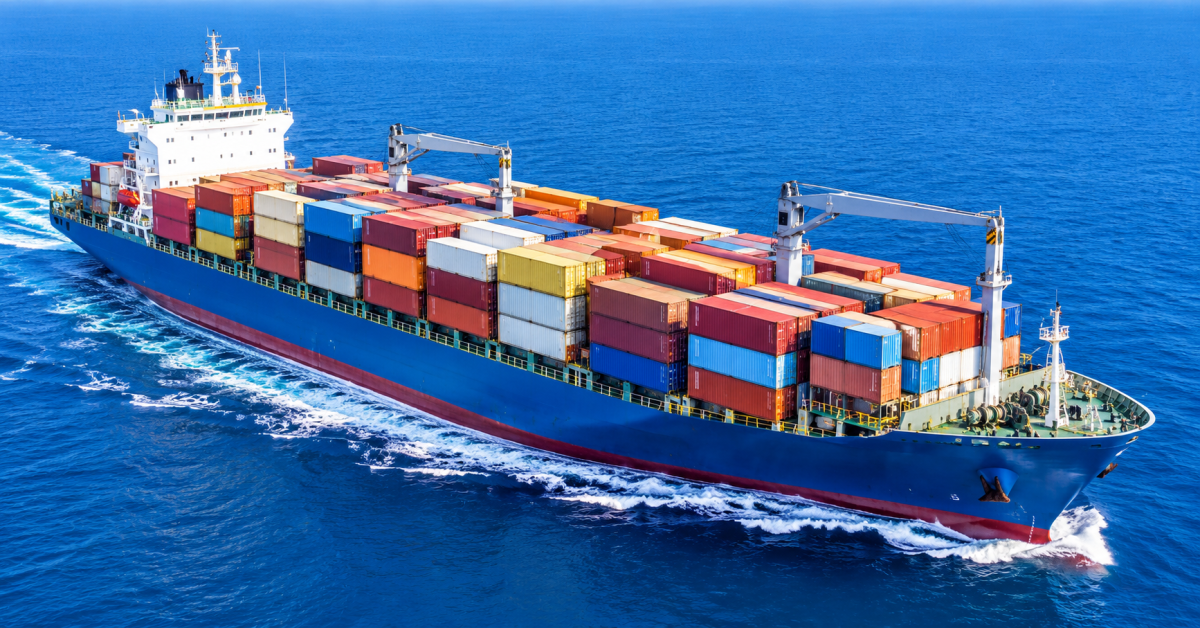

India’s automobile exporters ran into a logistics squeeze in August, with Maruti Suzuki and Hyundai Motor India both reporting shipment disruptions caused by a shortage of vessels linked to the ongoing conflict in West Asia.
What’s causing the vessel shortage?
The disruption is not a demand problem but a capacity one. According to Rahul Bharti, Senior Executive Officer, Corporate Affairs at Maruti Suzuki, demand remains strong across the company’s export markets and vehicles are ready at Indian ports, but the ships needed to carry them to overseas destinations are simply not available in sufficient numbers. Bharti attributed the shortfall largely to international liners adjusting operations amid the West Asia conflict, and cautioned that the constraint could persist for some time.
How much did exports actually fall?
Maruti Suzuki exported 33,844 vehicles in August, only marginally lower than the 36,538 units shipped in the same month last year. The company’s broader export performance remains strong despite the disruption. Between April and August, Maruti exported 188,636 vehicles, a 14.1% increase over the same period last year, and between April and July it exported more vehicles than the other 17 Indian manufacturers combined, giving it over 50% of the country’s passenger vehicle export market.
Hyundai Motor India confirmed a similar hit. MD and CEO Tarun Garg said total exports in August were affected by logistical constraints tied to the conflict and the wider geopolitical environment, while expressing optimism that export demand will hold up in the months ahead as the situation improves.
How are exporters managing the disruption?
Maruti’s response has leaned on market diversification. The company currently exports to 120 markets, including a significant presence in Latin America, which requires longer vessel transit times, and continues shipping to Middle East markets despite the active conflict there. Bharti described the current constraints as part of the normal volatility of global trade, characterising it as a “VUCA world” and expressing confidence that the company’s export base remains resilient.
What does this mean for India’s auto export trajectory?
Beyond the near-term shipping squeeze, Maruti’s underlying export momentum tells a different story. The company’s Fronx SUV became the fastest SUV from India to cross 200,000 export units, achieving the milestone in under 38 months. Its electric SUV, the e Vitara, first flagged off by Prime Minister Narendra Modi in August 2025, has now crossed 46,000 exports in its first year and ships to around 50 countries.
The episode adds to a growing body of evidence that Red Sea and West Asia-linked shipping disruptions are rippling well beyond crude and container trades into finished vehicle exports, a segment where fixed sailing schedules and limited alternative routing options leave exporters with fewer workarounds than commodity shippers.
 Join our WhatsApp channel for more updates:
 Subscribe to our YouTube channel for more updates: