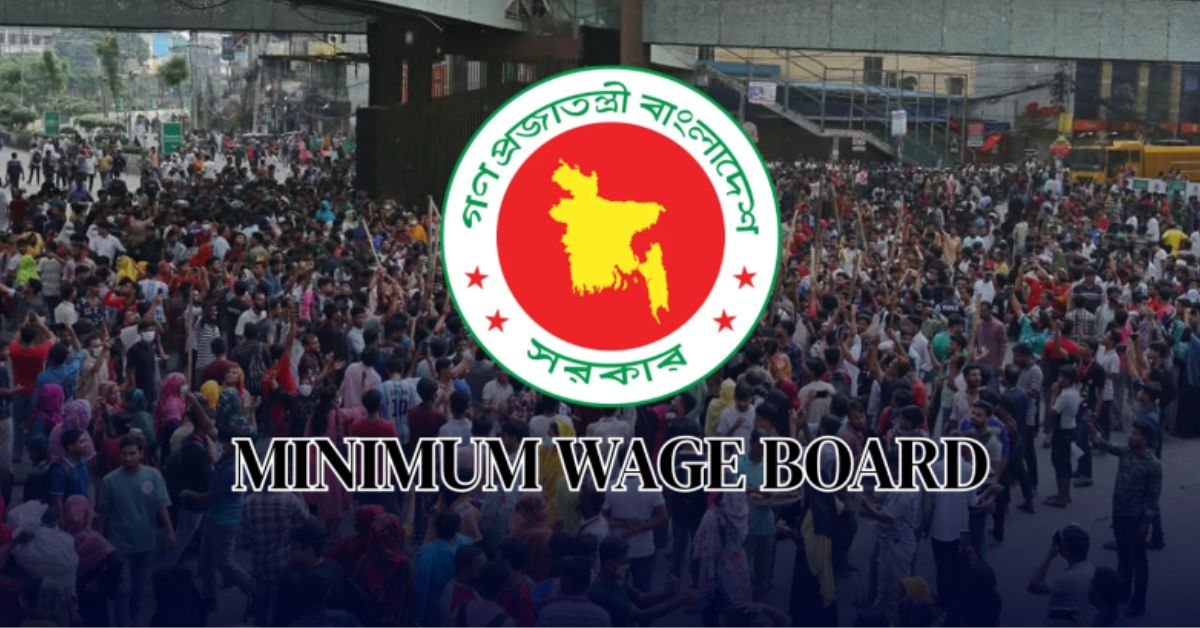

Labour unrest disrupted operations at 529 garment factories in Bangladesh on 1 November 2026, with 987,190 workers leaving their workplaces, according to a situation report from the Bangladesh Garment Manufacturers and Exporters Association (BGMEA).
The disruption affected factories across Dhaka, Gazipur, Mymensingh and Savar-Ashulia as workers demanded a minimum monthly wage of Tk30,000, an end to blacklisting and the reinstatement of dismissed employees. The government formed a six-member wage board the same day, but protests continued in several industrial areas.
Which garment manufacturing areas were affected?
Gazipur and Mymensingh accounted for the largest share of the disruption. Workers left 276 factories employing 645,360 people, out of 836 factories covered by BGMEA’s report in those areas.
In Savar, Ashulia and Jirani, operations were affected at 185 factories involving 290,205 workers. The association’s reporting covered 441 factories in that cluster.
Within Dhaka Metropolitan Police jurisdiction, all 68 affected factories were in Mirpur, accounting for 51,625 workers. No comparable disruption was reported among the 197 factories covered in Narayanganj or the 340 in Chattogram.
Overall, the situation report covered 2,134 factories across five industrial regions. Its figures describe disruption on 1 November, rather than permanent factory closures or job losses.
What action has the government taken on wages?
The Ministry of Labour and Employment issued notifications establishing a board comprising employer, worker and independent representatives to determine new minimum wages for the ready-made garment sector.
Senior District and Sessions Judge Sheikh Ashfaqur Rahman chairs the six-member panel. Sector representatives include BGMEA Director ABM Shamsuddin and Bangladesh Garments and Industrial Workers Federation General Secretary Babul Akhter.
Labour and Employment Minister Ariful Haque Choudhury urged workers to return to their workplaces following the announcement. He said the board would begin its work and meet as soon as possible to discuss wages. Its formation starts the review process; it does not establish that the Tk30,000 demand has been accepted.
How have manufacturers responded?
Factory owners discussed the disruption at a meeting at BGMEA’s Uttara office on 1 November.
BGMEA President Mahmud Hasan Khan Babu said manufacturers expected production to resume following the wage board’s formation. Owners also indicated that they could temporarily suspend operations at affected units if workers did not return.
Labour representatives, meanwhile, criticised the time taken to establish the board. Tawhidur Rahman, former general secretary of IndustriALL Bangladesh Council, said worker representatives had repeatedly sought an earlier announcement.
Why does the disruption matter for export trade?
Garments remain Bangladesh’s dominant merchandise export. BGMEA’s published figures show apparel exports of approximately $38.70 billion in financial year 2025–26, accounting for 80.62% of national goods export earnings.
The sector’s export value declined 1.64% from approximately $39.35 billion in the previous financial year. Knitwear contributed about $20.62 billion and woven garments approximately $18.08 billion in 2025–26.
Production interruptions therefore concern a substantial export supply chain. However, the factory disruption figures do not establish how many consignments have missed shipment deadlines, whether buyers have cancelled orders or whether port operations have been affected.
What should exporters and logistics providers monitor?
The immediate indicators are factory reopening, worker attendance and progress in wage negotiations. For individual shipments, the relevant questions concern production completion, cargo readiness and the ability to meet booked departures.
Any wider effect on freight bookings or export delivery schedules will depend on the duration and spread of the disruption. The present evidence establishes interrupted factory operations, while the scale of any resulting shipment delays remains unquantified.
 Join our WhatsApp channel for more updates:
 Subscribe to our YouTube channel for more updates: