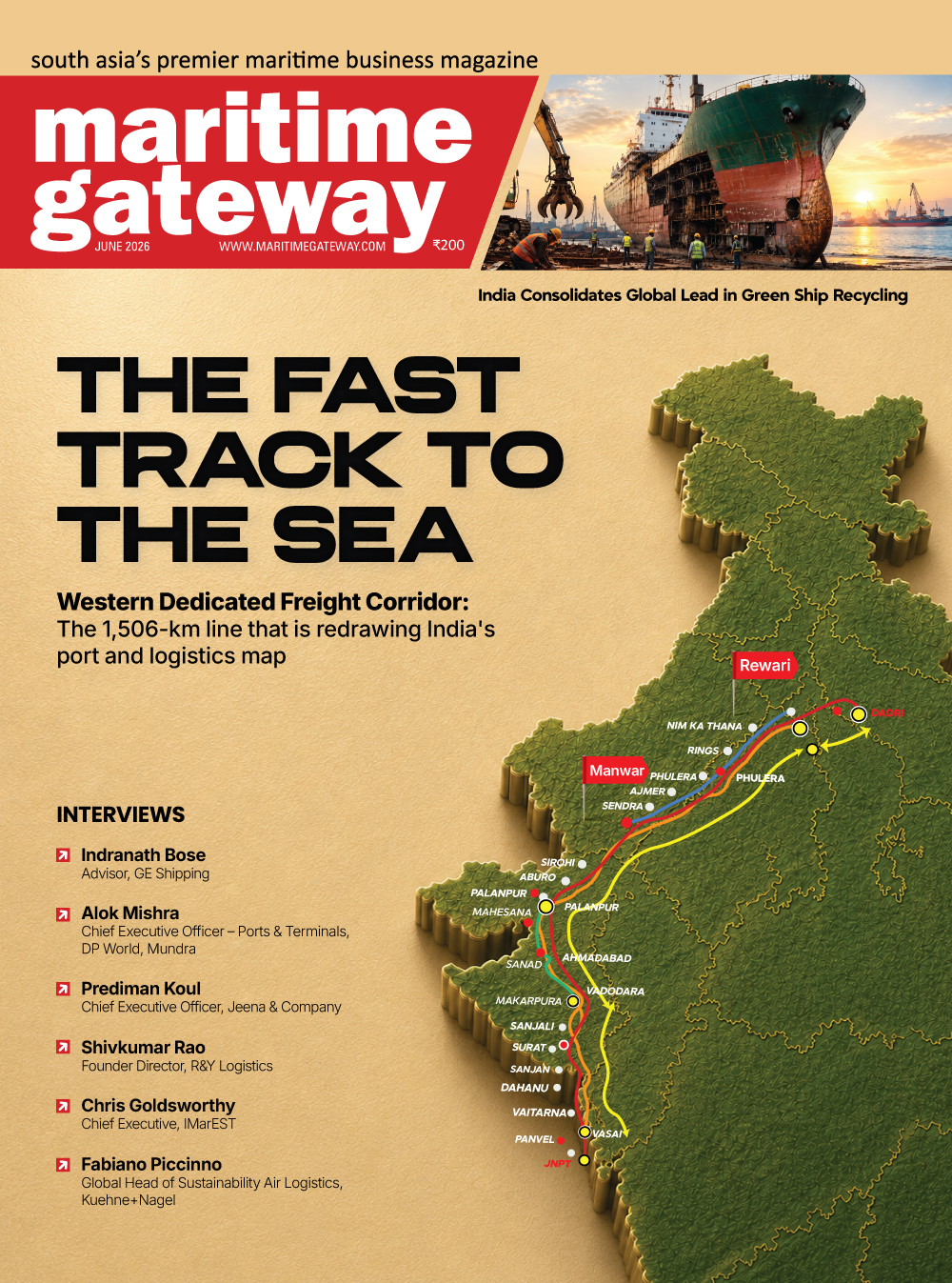




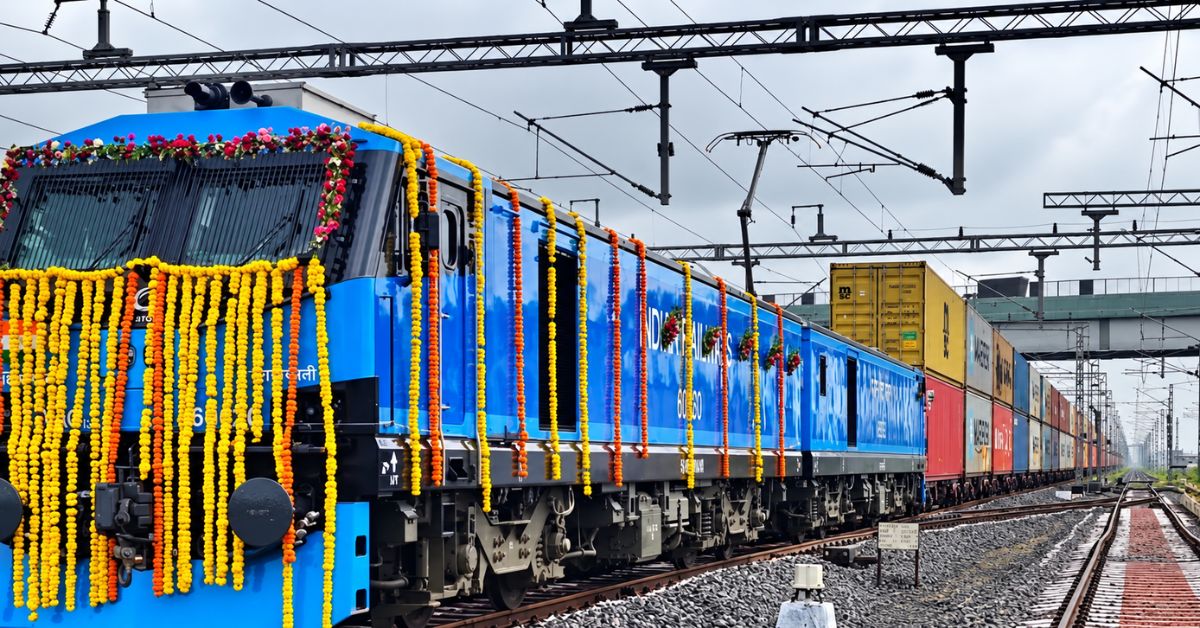

Prime Minister Narendra Modi on Tuesday dedicated three key sections of the Western Dedicated Freight Corridor (WDFC) to the nation, including the crucial New Saphale-JNPA stretch, completing the missing port-end link between Dadri, Uttar Pradesh, and JNPT, Maharashtra. The three sections span 326 route kilometres and were built at a cost of over Rs 20,700 crore, part of a Rs 1.3 lakh crore corridor spanning 1,500 km across five states — Maharashtra, Gujarat, Rajasthan, Haryana and Uttar Pradesh.
The Japan International Cooperation Agency (JICA), which financed and supported the project, framed the completion as a landmark outcome of India-Japan infrastructure cooperation, having extended cumulative official development assistance running into thousands of crores of rupees toward the corridor over nearly two decades.
Maharashtra Chief Minister Devendra Fadnavis, addressing reporters in Navi Mumbai, called the corridor a “revolution” in Indian logistics, saying it would enable faster movement of cargo from Uttar Pradesh to JNPT entirely by rail. He highlighted the corridor’s newly deployed double-decker freight trains, saying a single train can now carry cargo equivalent to the load of 250 trucks.
Fadnavis said the corridor would bring India’s logistics costs down to around 7% from the current roughly 14%, on par with China, sharpening the competitiveness of Indian businesses in global supply chains. He also noted the project’s significance for Maharashtra, given the corridor terminates at JNPT, one of the country’s major ports, with expected employment benefits for the state.
About 70-80% of the corridor’s capacity is designed for ISO import-export container traffic between North Indian inland container depots and western ports including JNPT, Mundra and Pipavav, alongside movement of fertilisers, food grains, salt, coal, petroleum products, cement and industrial goods. The corridor will also serve as the primary logistics backbone for the Delhi-Mumbai Industrial Corridor, supporting multi-modal logistics parks and industrial nodes along its route.
 Join our WhatsApp channel for more updates:
 Subscribe to our YouTube channel for more updates: